Why Choose Powered Standing Desks for Your Office
Understanding Powered Standing Desks
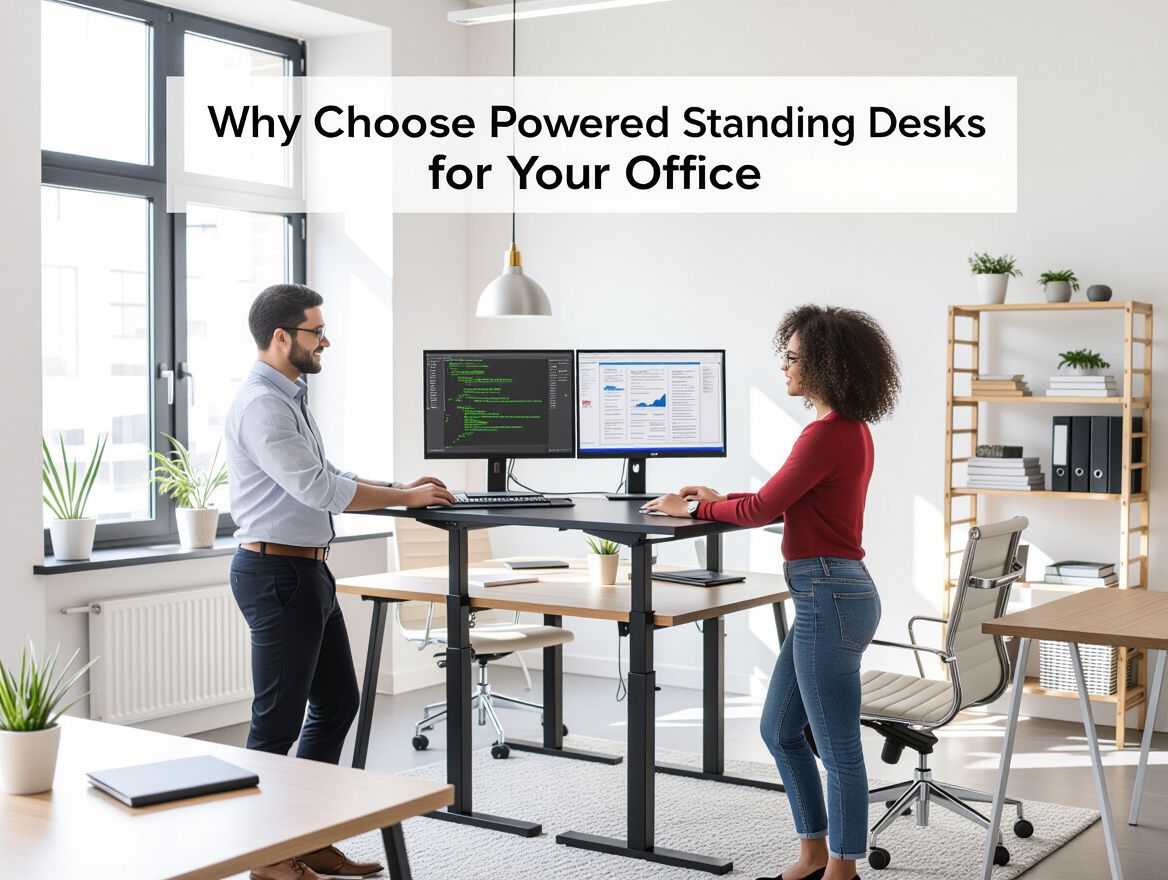
Powered standing desks represent a modern solution to workspace ergonomics, allowing users to adjust their desk height with ease. These desks are equipped with electric motors that facilitate seamless transitions between sitting and standing positions, promoting better posture and reducing the health risks associated with prolonged sitting.
The growing popularity of powered standing desks can be attributed to their numerous benefits. They cater to a variety of user preferences, allowing for customizable height settings that accommodate different body types and work styles. Some key advantages include:
- Enhanced Ergonomics: By enabling users to change positions throughout the day, powered standing desks help alleviate discomfort and strain associated with static postures.
- Increased Productivity: Research suggests that alternating between sitting and standing can boost energy levels and focus, potentially leading to improved work performance.
- Convenience Features: Many powered models include programmable height presets, anti-collision technology, and integrated cable management systems, enhancing usability and workspace organization.
When considering a powered standing desk, it's essential to evaluate features like height adjustment range, weight capacity, and stability. Understanding these aspects will help you identify a desk that fits your specific ergonomic needs while minimizing potential risks associated with power dependency and mechanical failures.
Key Features to Consider When Choosing a Powered Standing Desk
When evaluating powered standing desks, it's essential to focus on specific features that enhance usability and promote better ergonomics. Below are the key criteria to consider:
-
Electric Adjustment Mechanism: Look for a reliable electric adjustment system that allows for smooth and quick height changes. One-touch height adjustment is particularly beneficial for frequent transitions between sitting and standing.
-
Height Range and Weight Capacity: Ensure the desk has an adequate height range, typically between 27.5" to 45.2", to accommodate various user heights. A weight capacity of at least 150 lbs is crucial for stability, especially if you plan to place multiple monitors or heavy equipment on the desk.
-
Stability and Build Quality: A sturdy construction is vital for maintaining stability at any height setting. Check for desks that have a solid frame and quality materials to prevent wobbling during use.
-
Cable Management Systems: Effective cable management solutions, such as built-in trays or drawers, help keep your workspace organized and free from clutter. This feature not only improves aesthetics but also reduces the risk of accidents.
-
Anti-Collision Sensors: These sensors prevent the desk from colliding with objects when adjusting height. This feature is particularly important in preventing damage to equipment and ensuring user safety.
By carefully considering these features, you can select a powered standing desk that not only meets your ergonomic needs but also enhances your productivity and workspace organization.
Evaluating the Trade-offs of Powered Standing Desks
Powered standing desks offer a compelling solution for enhancing ergonomics and productivity, but they come with their own set of advantages and potential drawbacks. Understanding these trade-offs is crucial for making an informed decision.
Advantages of Electric Height Adjustment
- Ease of Use: With a powered mechanism, height adjustments can be made effortlessly at the touch of a button, allowing users to switch between sitting and standing positions quickly.
- Precision: Many powered desks come with programmable height settings, enabling users to find their ideal ergonomic positions consistently.
- Stability and Load Capacity: High-quality powered desks are designed to support significant weight, often accommodating heavy equipment without compromising stability.
Potential Issues to Consider
- Power Dependency: Unlike manual desks, powered options require electricity to function. This reliance can be a drawback in case of power outages or if the desk is situated far from outlets.
- Stability Concerns: While many powered desks are stable, some models may wobble or feel less sturdy, especially at higher settings. It's essential to assess the desk's construction and weight capacity to mitigate this risk.
- Maintenance and Repairs: Electric components may need repairs or replacements over time, which could add to long-term costs and inconvenience.
Comparative Analysis with Manual Desks
- Cost: Powered standing desks generally come at a higher price point compared to manual desks. However, the ease of use and advanced features may justify the investment for many users.
- Adjustment Speed: Manual desks require physical effort for height changes, which can be a deterrent for frequent adjustments. In contrast, powered desks facilitate quick transitions, promoting more dynamic work habits.
- Durability: Manual desks often have fewer mechanical components, which can lead to greater longevity, while powered desks may face wear and tear on electric parts over time.
In summary, powered standing desks provide significant ergonomic benefits and convenience, but they also come with considerations regarding power needs, stability, and potential maintenance. Evaluating these trade-offs will help in determining whether a powered standing desk aligns with your specific office needs and habits.
Risks and Considerations Before Buying
When considering powered standing desks, it's essential to weigh the potential risks and drawbacks that may affect your investment and daily use. Understanding these factors can help you make a more informed decision.
-
Common Problems: Users often report issues such as height adjustment failures or instability when the desk is overloaded. It's crucial to adhere to the manufacturer's weight specifications to avoid malfunctions. Additionally, some desks may require frequent resetting after power outages, which can disrupt your workflow.
-
Quality and Manufacturer Reputation: The quality of powered standing desks varies significantly among brands. Lower-priced models may cut corners on materials and construction, leading to problems like paint inconsistencies and structural weaknesses. Investing in a reputable brand with positive reviews can mitigate the risk of encountering these common issues.
-
Power Dependency and Maintenance Needs: Powered standing desks rely on electricity for operation, making them vulnerable to power outages. Depending on the design, a power loss might necessitate a reset, causing temporary inconvenience. Regular maintenance, such as checking electrical connections and ensuring the desk is free from excessive dust, is also needed to maintain optimal performance.
By keeping these risks in mind, you can better assess which powered standing desk aligns with your ergonomic needs and workspace requirements.
Frequently Asked Questions About Powered Standing Desks
What issues do powered standing desks solve?
Powered standing desks primarily address the need for adjustable workspaces that promote better ergonomics and reduce the physical strain associated with prolonged sitting. They offer:
- Height Adjustment: With electric mechanisms, users can easily switch between sitting and standing positions, accommodating various body types and preferences.
- Improved Posture: By allowing for a customizable height, these desks help maintain a neutral spine, reducing the risk of back pain and discomfort.
- Increased Productivity: Standing desks can lead to improved focus and energy levels, as users can change their position throughout the day.
How do I choose the right powered standing desk?
When selecting a powered standing desk, consider the following criteria:
- Height Range: Ensure the desk can accommodate your height. A range of 27.5" to 45.2" is common and suitable for most users.
- Weight Capacity: Check the desk's weight limit, ideally at least 150 lbs, to ensure it can support your equipment without compromising stability.
- Adjustment Mechanism: Look for desks with one-touch height adjustment and anti-collision sensors to prevent accidents when adjusting.
- Cable Management: Integrated solutions help keep your workspace organized and free from clutter.
What are the most common buyer problems?
Buyers often encounter several challenges when purchasing powered standing desks:
- Stability Issues: Some desks may wobble if not properly assembled or if overloaded, affecting user experience.
- Power Dependency: These desks require electricity; power outages can lead to functionality problems, such as slow adjustments or resets.
- Overloading: Excessive weight can cause operational issues, so adhering to the manufacturer's guidelines is crucial.
- Adjustment Problems: Users might experience difficulties with the height adjustment mechanism if the desk is not well-maintained or if it exceeds weight limits.
Understanding these factors can help you make a more informed decision when considering a powered standing desk for your office.
Making the Right Choice for Your Workspace
As you consider incorporating powered standing desks into your office, it's essential to weigh the advantages against your specific needs and workspace conditions. Powered standing desks offer notable ergonomic benefits, including adjustable height settings that can promote better posture and reduce discomfort during long working hours.
Key Decision Criteria
- Height Adjustment Range: Look for a height range that accommodates your stature and allows for easy transitions between sitting and standing. A typical range is between 27.5" to 45.2".
- Weight Capacity: Ensure the desk can support your equipment comfortably, with a minimum capacity of 150 lbs for stability.
- Ease of Use: Features like one-touch height adjustment and anti-collision sensors can enhance usability and safety.
- Stability: Assess the desk's stability at various heights; a wobbly desk can undermine your productivity and safety.
Trade-offs and Considerations
- Power Dependency: Unlike manual desks, powered options rely on electricity. Consider the implications of potential power outages or outlet availability.
- Cost vs. Features: Higher-quality powered desks may come with advanced features, but they also carry a higher price tag. Balance your budget with the features that matter most to you.
- Installation and Maintenance: Some powered desks require more complex assembly and maintenance. Be prepared for potential challenges during setup.
By understanding these criteria and trade-offs, you can make an informed decision that aligns with your ergonomic needs and workspace dynamics.