Foldable Standing Desks: Flexibility Meets Functionality
Understanding Foldable Standing Desks
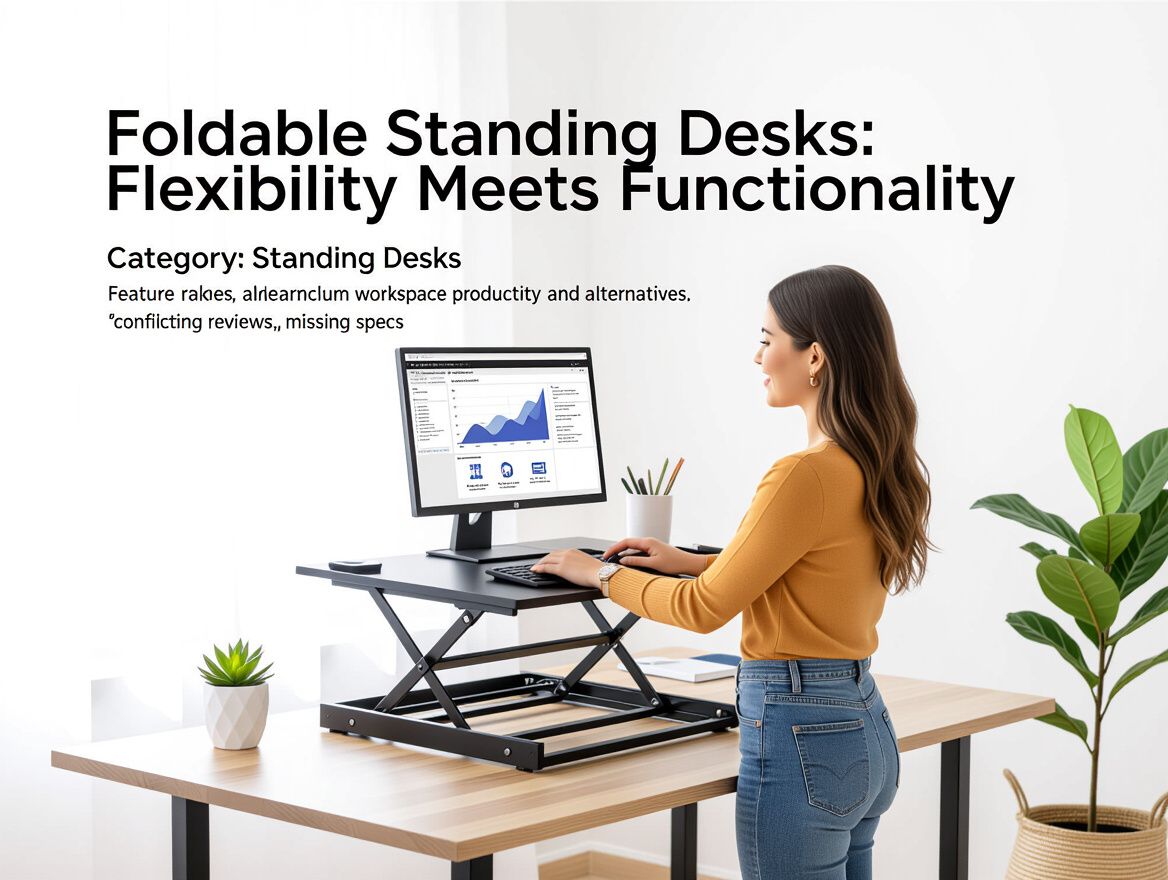
Foldable standing desks represent an innovative solution for those seeking flexibility in their work environments. These desks are designed to adjust in height and can be easily stored away when not in use, making them an excellent choice for both remote workers and office employees who may require a versatile workspace.
Benefits of Foldable Standing Desks
- Space Efficiency: Their ability to fold means they occupy minimal space, ideal for smaller offices or home setups.
- Adjustability: Many models offer height adjustments, allowing users to switch between sitting and standing positions, which can enhance comfort and productivity.
- Portability: These desks are often lightweight and easy to transport, perfect for individuals who might need to change their workspace frequently.
Target Audience and Use Cases
Foldable standing desks cater to a diverse range of users, including:
- Remote Workers: Those working from home can benefit from a desk that adapts to their space and needs.
- Office Employees: In shared office environments, these desks can be easily moved and stored, accommodating different work styles and preferences.
- Students: Ideal for small dorm rooms or study areas, offering a functional workspace without taking up too much room.
While foldable standing desks offer numerous advantages, it’s essential to consider potential drawbacks, such as stability concerns and the need for manual adjustments in some models. Understanding these factors will help you make a well-informed decision tailored to your specific workspace needs.
Key Features to Look For
When considering foldable standing desks, it's essential to evaluate specific features that enhance their versatility and practicality for various work environments. Here’s a checklist to guide your decision-making:
-
Height Adjustment Range: Ensure the desk can accommodate both sitting and standing positions effectively. A wider height range is beneficial for users of different heights and promotes ergonomic use.
-
Stability and Sturdiness: Look for features that enhance stability when the desk is in use, especially when fully extended. A sturdy frame minimizes wobbling and ensures that your workspace remains functional even during intense typing or writing sessions.
-
Portability and Weight: If you plan to move the desk between locations or store it when not in use, consider its weight and design. Lightweight models with easy folding mechanisms are ideal for portability.
-
Ease of Assembly and Disassembly: Check if the desk requires tools for assembly or if it can be set up quickly without hassle. Desks that fold easily and are intuitive to assemble can save time and frustration.
-
Material Quality and Durability: The materials used in the desk's construction can affect its longevity. Look for high-quality materials that resist wear and tear, especially if the desk will be used frequently.
By focusing on these key features, you can ensure that the foldable standing desk you choose will meet your needs effectively, whether you're working from home or in a traditional office setting.
Pros and Cons of Foldable Standing Desks
Foldable standing desks have gained popularity due to their adaptability in various work environments, but they come with both advantages and disadvantages that potential buyers should carefully consider.
Advantages
-
Space-Saving Design: These desks can be easily folded and stored away, making them ideal for small or shared workspaces. This feature is particularly beneficial for remote workers who may need to set up their workspace in different locations.
-
Cost-Effectiveness: Compared to traditional standing desks, foldable models often come at a lower price point, making them accessible for budget-conscious consumers. The affordability can be a significant factor for those just starting to explore standing desk options.
Disadvantages
-
Stability Issues: One common concern with foldable standing desks is their stability. Many models may wobble or feel less sturdy, especially when fully extended. This can be a drawback for users who require a solid surface for typing or other tasks.
-
Height Adjustment Limitations: While many foldable desks offer adjustable heights, the range may not accommodate all users comfortably. Individuals of varying heights may find it challenging to achieve an ergonomic setup, leading to potential discomfort during long work sessions.
-
Assembly Complexity: Some foldable standing desks require assembly, which can be cumbersome and time-consuming. Users should be prepared for this initial setup, as it may deter those looking for a quick and easy solution.
In summary, foldable standing desks offer flexibility and cost savings, but potential buyers should weigh these benefits against concerns regarding stability, height adjustment, and assembly challenges. Understanding these pros and cons will help you make an informed decision that best fits your workspace needs.
Foldable vs. Traditional Standing Desks
When considering a standing desk, the choice between foldable and traditional models can significantly impact your workspace experience. Each type offers distinct advantages and disadvantages that cater to different needs and environments.
Flexibility and Adaptability
Foldable standing desks excel in versatility, making them an ideal choice for remote workers or those with limited office space. Their ability to collapse and be easily stored allows users to transform any area into a functional workspace. In contrast, traditional standing desks are typically more stable and offer a consistent design that remains in a fixed position.
Price Differences
Generally, foldable standing desks tend to be more affordable than their traditional counterparts. This price point can be particularly appealing for budget-conscious buyers or those who require a temporary solution. Traditional standing desks, while often more expensive, may offer enhanced durability and stability, which can justify the investment for long-term use.
User Experience and Comfort
User experience can vary significantly between the two types. Foldable desks may have limitations in height adjustment ranges and stability, which can affect comfort during prolonged use. Traditional standing desks often provide a wider range of height settings and sturdier construction, ensuring a more ergonomic setup. However, they lack the portability that many users find beneficial in foldable options.
Conclusion
Ultimately, the choice between foldable and traditional standing desks hinges on your specific needs—whether you prioritize flexibility and affordability or prefer stability and a consistent workspace. Understanding these differences can help you make an informed decision that best fits your work environment and lifestyle.
Potential Drawbacks and Risks
While foldable standing desks offer unique advantages, such as portability and space-saving features, potential drawbacks warrant careful consideration before making a purchase. Understanding these risks can help you make an informed decision that aligns with your workspace needs.
-
Stability Concerns and User Safety: Some foldable standing desks may lack the stability required for a secure working environment. Users have reported wobbling, especially at higher heights, which can lead to accidents or discomfort during use. It's essential to assess the desk's construction and user reviews regarding stability.
-
Warranty and Return Policy Issues: Many foldable standing desks come with limited warranties, which may not cover issues arising from improper use or assembly. Before purchasing, review the warranty details and return policies to ensure you have recourse if the product does not meet your expectations.
-
Assembly Challenges and Complexity: The assembly process for foldable standing desks can be intricate, often requiring multiple tools and significant time. Some users find the instructions unclear, leading to frustration and potential mistakes that could affect the desk's performance. Evaluating the assembly requirements beforehand can help you gauge whether you are comfortable with the setup process.
By being aware of these potential drawbacks, you can better navigate the decision-making process and choose a foldable standing desk that suits your specific needs while minimizing risks.
Frequently Asked Questions
When considering foldable standing desks, potential buyers often have several important queries. Understanding these can help inform your purchasing decision.
What buyer problem do foldable standing desks solve?
Foldable standing desks primarily address the need for flexibility in workspaces. They are particularly beneficial for individuals who:
- Have limited space: Their compact design allows for easy storage, making them ideal for small offices or home environments.
- Require mobility: These desks can be easily moved to different locations, accommodating various work settings or preferences.
- Seek ergonomic solutions: By allowing users to alternate between sitting and standing, they help promote better posture and reduce discomfort associated with prolonged sitting.
Which use case criteria should change the shortlist?
When evaluating foldable standing desks, consider the following criteria that may affect your selection:
- Height adjustment range: Ensure the desk can accommodate your preferred sitting and standing heights.
- Weight capacity: Check if the desk can support your equipment, especially if you use multiple monitors or heavy devices.
- Stability: Assess user reviews for any reports of wobbling or instability, which can impact the usability of the desk.
- Ease of assembly: Some models may require complex setup processes; look for those that offer straightforward assembly.
What trade-offs should be disclosed before making a recommendation?
While foldable standing desks offer many advantages, there are trade-offs to consider:
- Stability issues: Some models may not be as sturdy as traditional standing desks, particularly when fully extended.
- Manual adjustments: Many foldable desks require manual height adjustments, which can be less convenient compared to electric models.
- Durability concerns: The materials used in foldable designs may not always match the longevity of more robust standing desk options.
Being aware of these factors will help you make a more informed decision, ensuring that the desk you choose aligns with your specific needs and workspace requirements.
Making the Right Choice
When considering a foldable standing desk, it’s crucial to weigh both the benefits and potential drawbacks to ensure it aligns with your specific needs. These desks offer flexibility and adaptability, making them suitable for various work environments, from home offices to shared spaces. However, understanding the trade-offs involved is essential for making an informed decision.
Key Considerations
-
Stability: Some foldable models may not offer the same level of stability as traditional standing desks, particularly when fully extended. Assessing the construction quality can help mitigate this concern.
-
Height Adjustment: While many foldable standing desks provide adjustable heights, the range may be limited compared to fixed models. Consider your height and how often you'll switch between sitting and standing.
-
Assembly and Portability: Many foldable desks require some assembly, and while they are designed for portability, the complexity of setup can vary. Evaluating how often you plan to move the desk will impact your choice.
Personal Needs vs. Features
As you navigate your options, reflect on how often you will use the desk in different configurations and the space you have available. If you frequently change locations or need a desk that can be easily stored, a foldable standing desk may be ideal. Conversely, if you prefer a stable setup for extended periods, you might want to explore other standing desk options.
In conclusion, carefully balancing the versatility of foldable standing desks with your specific workspace requirements will help you choose a solution that enhances your productivity and comfort.