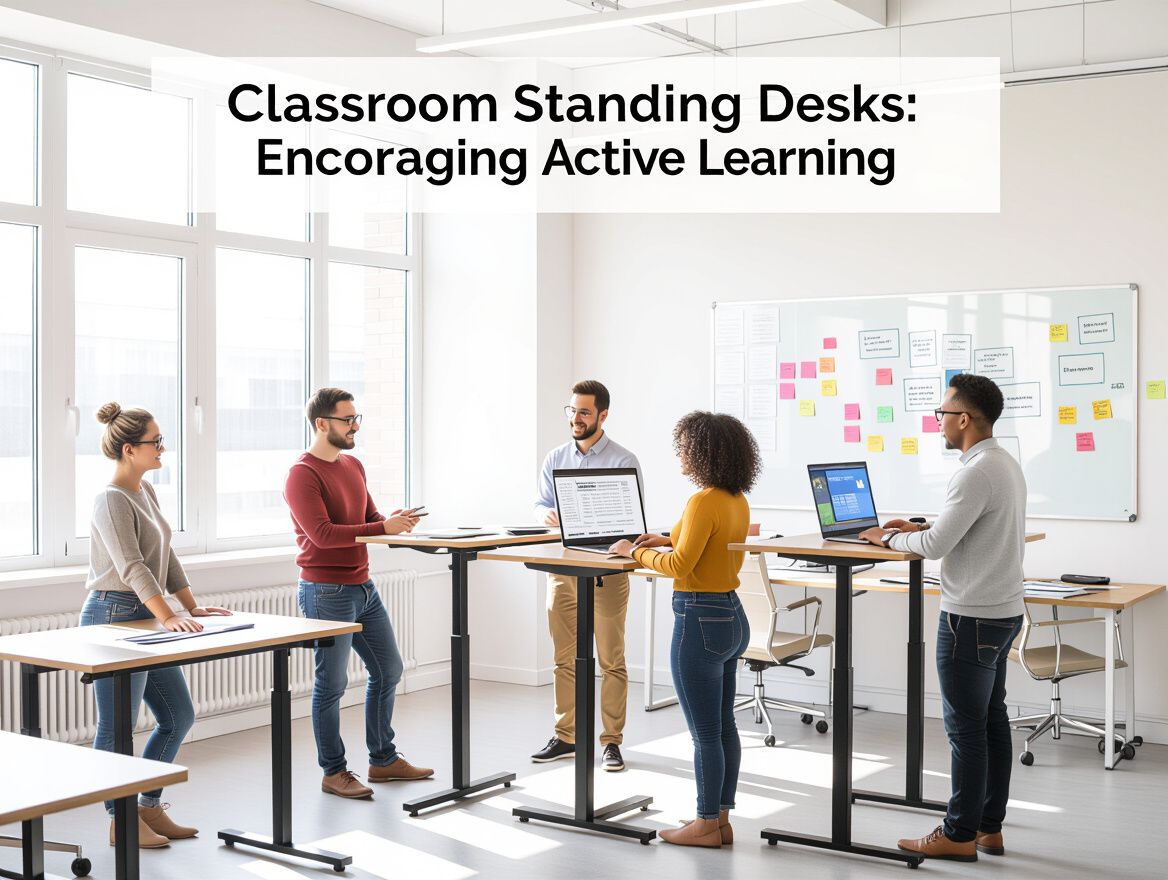
Classroom Standing Desks: Encouraging Active Learning
Understanding Classroom Standing Desks
Classroom standing desks are adjustable workstations designed to allow students the choice between sitting and standing while engaged in learning activities. These desks have gained popularity in educational settings due to their potential to enhance student focus, promote better posture, and encourage movement throughout the school day.
Benefits of Classroom Standing Desks
- Increased Engagement: Standing desks can help maintain student attention and reduce lethargy, particularly during long periods of instruction.
- Health Benefits: They promote better posture and can reduce the risk of obesity and related health issues by encouraging physical activity.
- Customization: Many standing desks are height-adjustable, allowing students to find their ideal working position, which can contribute to comfort and productivity.
Importance of Ergonomic Furniture
Ergonomic furniture, such as standing desks, plays a critical role in creating a conducive learning environment. Proper ergonomic design can minimize discomfort and distractions, allowing students to focus more effectively on their tasks. Moreover, incorporating adjustable desks can cater to diverse body types and preferences, enhancing overall classroom inclusivity.
As educators, school administrators, and parents consider integrating standing desks into classrooms, it’s essential to weigh the benefits against potential challenges, such as the need for proper training on their use and the importance of balancing standing with sitting to avoid fatigue.
Key Buying Criteria for Classroom Standing Desks
When selecting classroom standing desks, it's essential to evaluate several key features to ensure they meet the needs of students and educators. Here’s a checklist to guide your decision-making process:
-
Height Adjustability: Look for desks that offer a wide range of height adjustments to accommodate various student sizes. This feature promotes ergonomic use and allows for both sitting and standing options, catering to diverse learning preferences.
-
Stability and Durability: A stable desk minimizes distractions and enhances focus in a classroom setting. Check for robust construction materials and design elements that ensure the desk can withstand daily use without wobbling or tipping.
-
Ease of Use and Assembly: Consider how simple it is to adjust the desk height and whether the assembly process is straightforward. Desks with intuitive mechanisms and clear instructions can save time and reduce frustration during setup.
-
Material Quality and Finish: The materials used should be durable and easy to clean, as classrooms can be prone to spills and wear. Look for finishes that resist scratches and stains to maintain a professional appearance over time.
-
Safety Features: Safety is paramount in a classroom environment. Features such as rounded edges, non-slip surfaces, and anti-collision mechanisms can help prevent accidents, especially in dynamic settings where students are frequently moving.
By considering these criteria, educators and administrators can make informed decisions that enhance the learning environment while promoting student well-being.
Trade-Offs and Considerations
When considering classroom standing desks, it's crucial to weigh the potential downsides alongside their benefits. Understanding these trade-offs can help educators, administrators, and parents make informed decisions that best suit their classroom environments.
-
Cost vs. Quality Concerns: While it may be tempting to opt for lower-priced models, many budget-friendly standing desks often compromise on quality. Cheaper desks may exhibit issues such as poor stability, inadequate height adjustability, and a lack of durability over time. Investing in a higher-quality desk can provide better long-term value despite a higher upfront cost.
-
Potential Stability Issues: Inexpensive standing desks frequently face stability problems, particularly during adjustments or when supporting heavier items. This can lead to distractions in the classroom and may hinder the learning experience. Ensuring that the selected desk has solid construction and positive user reviews regarding stability is essential.
-
User Fatigue and the Need for Breaks: Although standing desks promote movement and can enhance focus, extended standing can lead to fatigue. It's important to encourage students to take regular breaks and alternate between sitting and standing to mitigate discomfort. Providing anti-fatigue mats or footrests can also help alleviate strain during prolonged standing periods.
-
Space Considerations: Classrooms often have limited space, and incorporating standing desks requires careful planning. Consider the layout and dimensions of the classroom to ensure that desks do not overcrowd the area or impede movement. Adjustable models can offer flexibility, but it's essential to account for the overall space available for both desks and student movement.
By thoughtfully evaluating these trade-offs, stakeholders can select classroom standing desks that enhance active learning while minimizing potential drawbacks.
Risks and Caveats to Keep in Mind
When considering classroom standing desks, it’s crucial to be aware of potential pitfalls that can affect both functionality and user experience. Understanding these risks can help educators, school administrators, and parents make informed decisions.
-
Misleading Product Claims: Many standing desks may advertise features like "stability" or "adjustability," but these claims can be exaggerated. It's essential to research and read reviews to verify whether a desk truly meets its advertised specifications.
-
Assembly Challenges and User Errors: Setting up a standing desk can sometimes be complicated, leading to improper assembly. This can result in instability or even safety hazards in the classroom. Always check for clear assembly instructions and consider the availability of customer support.
-
Long-term Durability Concerns: Budget-friendly models might seem appealing, but they often lack the durability needed for constant use in a classroom setting. Common issues include wear and tear on moving parts and overall structural integrity, which could lead to premature failure.
-
Inadequate Support from Manufacturers: Some manufacturers may not provide sufficient customer service or warranty support. This can leave buyers stranded if they encounter issues post-purchase. It’s wise to investigate the reputation of the manufacturer regarding their after-sales service before making a decision.
By keeping these considerations in mind, you can better navigate the selection process for classroom standing desks and avoid common buyer frustrations.
Frequently Asked Questions
What are the main benefits of using standing desks in classrooms?
Classroom standing desks are designed to enhance student engagement and promote healthier learning environments. Key benefits include:
- Increased Focus: Standing desks can help reduce distractions and improve concentration, as students are less likely to slouch or lose focus.
- Health Benefits: Regular use of standing desks can contribute to better posture and reduce the risks associated with prolonged sitting, such as obesity and cardiovascular issues.
- Flexibility: Many standing desks are adjustable, allowing students to switch between sitting and standing, catering to their comfort and learning preferences.
How do I ensure a proper ergonomic setup?
To create an ergonomic setup with standing desks, consider the following:
- Desk Height: Ensure the desk height allows students to maintain a 90-degree angle at their elbows when typing.
- Monitor Position: The top of the monitor should be at eye level to prevent neck strain.
- Footwear and Flooring: Encourage students to wear supportive footwear and consider anti-fatigue mats to reduce discomfort during prolonged standing.
What is the average price range for classroom standing desks?
Classroom standing desks vary widely in price depending on features and materials. Generally, you can expect:
- Basic Models: Starting around $200, often with manual adjustments.
- Mid-Range Options: Ranging from $300 to $600, typically offering electric adjustments and better stability.
- High-End Desks: $700 and above, featuring advanced ergonomic designs and customizable options.
Are there any specific brands that are recommended?
While specific brand recommendations are best suited for dedicated product guides, it’s advisable to look for brands known for their stability, warranty services, and user reviews. Researching user feedback can help identify desks that meet the desired criteria for durability and functionality in classroom settings.
Making the Right Choice for Your Classroom
Selecting the appropriate classroom standing desks is crucial for fostering an engaging and productive learning environment. The right desk can enhance student focus, promote better posture, and encourage movement throughout the school day. Here are key features and considerations to keep in mind:
- Adjustability: Ensure that the desks offer a wide height range to accommodate students of different sizes. This flexibility allows for both sitting and standing options, catering to individual needs.
- Stability: Look for desks that provide a sturdy base to prevent wobbling during use. Stability is essential for maintaining a conducive learning atmosphere.
- Durability: Consider the materials used in the desk's construction. High-quality materials can withstand daily wear and tear, making them a better long-term investment.
- Ease of Use: Choose desks that are simple to adjust, whether manually or electronically. A user-friendly mechanism encourages students to switch positions easily.
Before making a decision, evaluate your specific classroom needs. Consider the age of your students, classroom layout, and the number of desks required. Additionally, assess potential risks such as fatigue from prolonged standing or the space needed for movement.
In conclusion, investing in classroom standing desks can significantly benefit students and educators alike. Conduct thorough research to find options that align with your classroom's unique requirements, ensuring you make an informed purchasing decision.