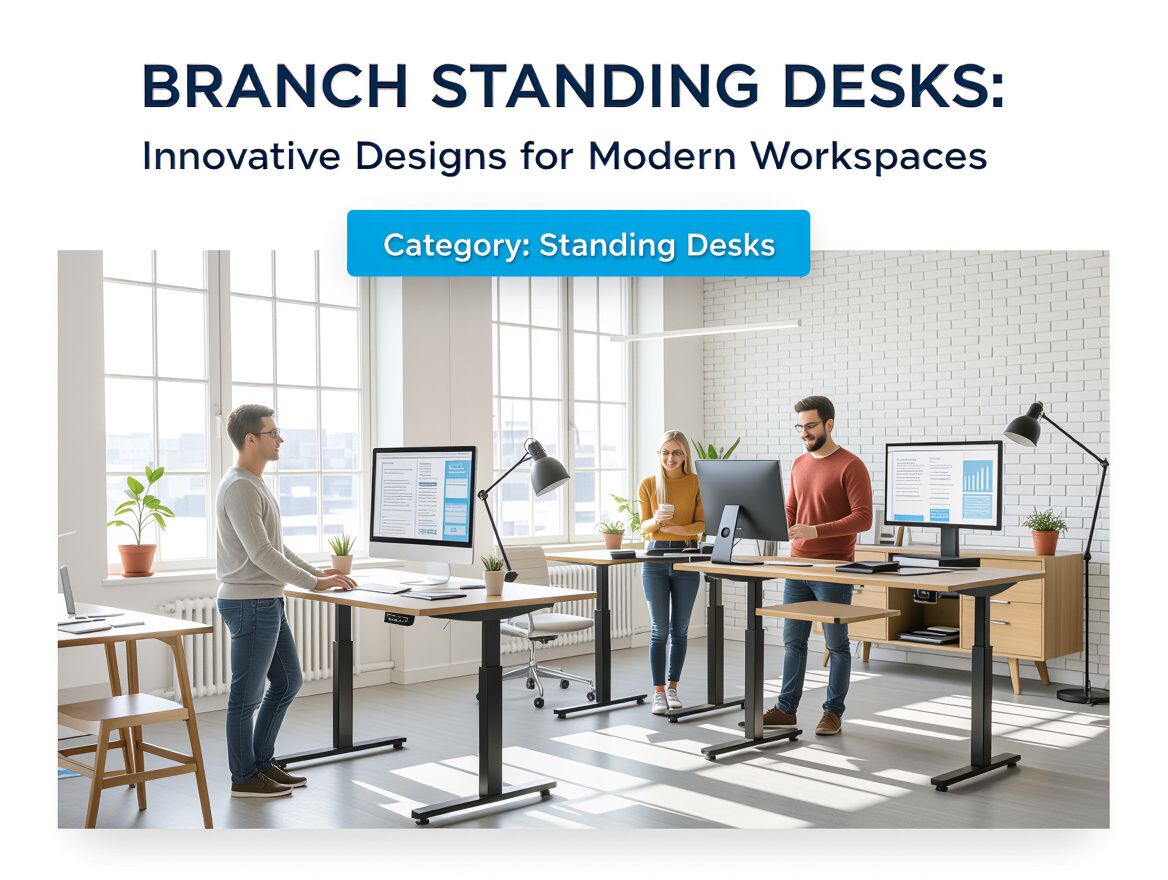
The Rise of Standing Gaming Desks: Comfort Meets Performance
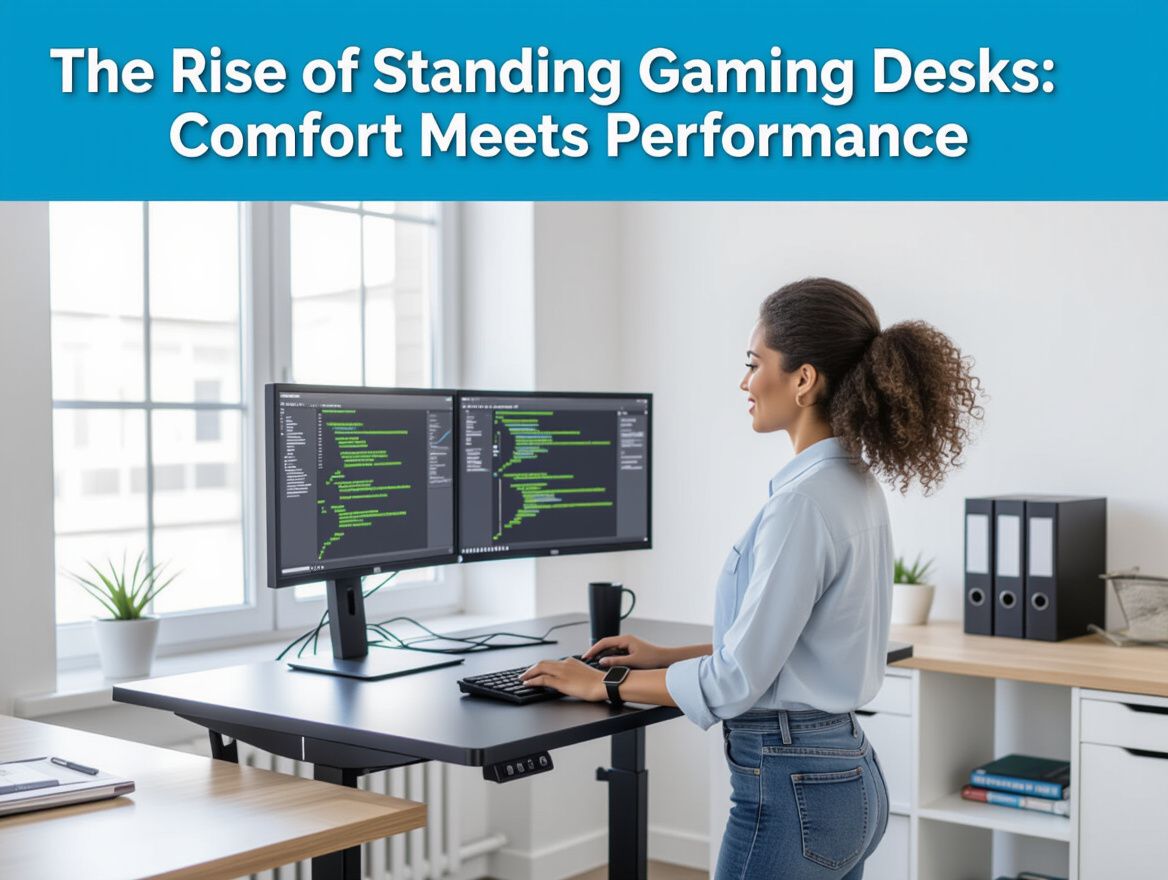
Understanding the Appeal of Standing Gaming Desks
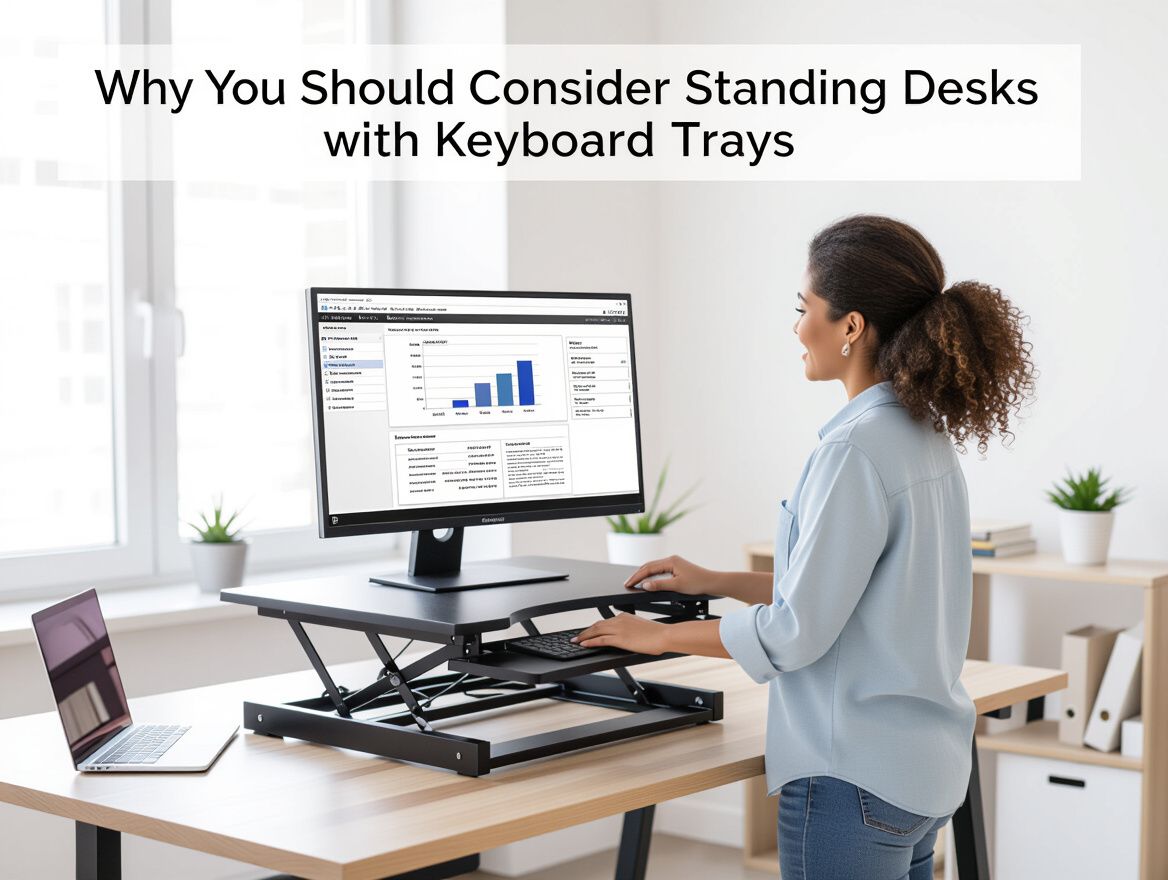
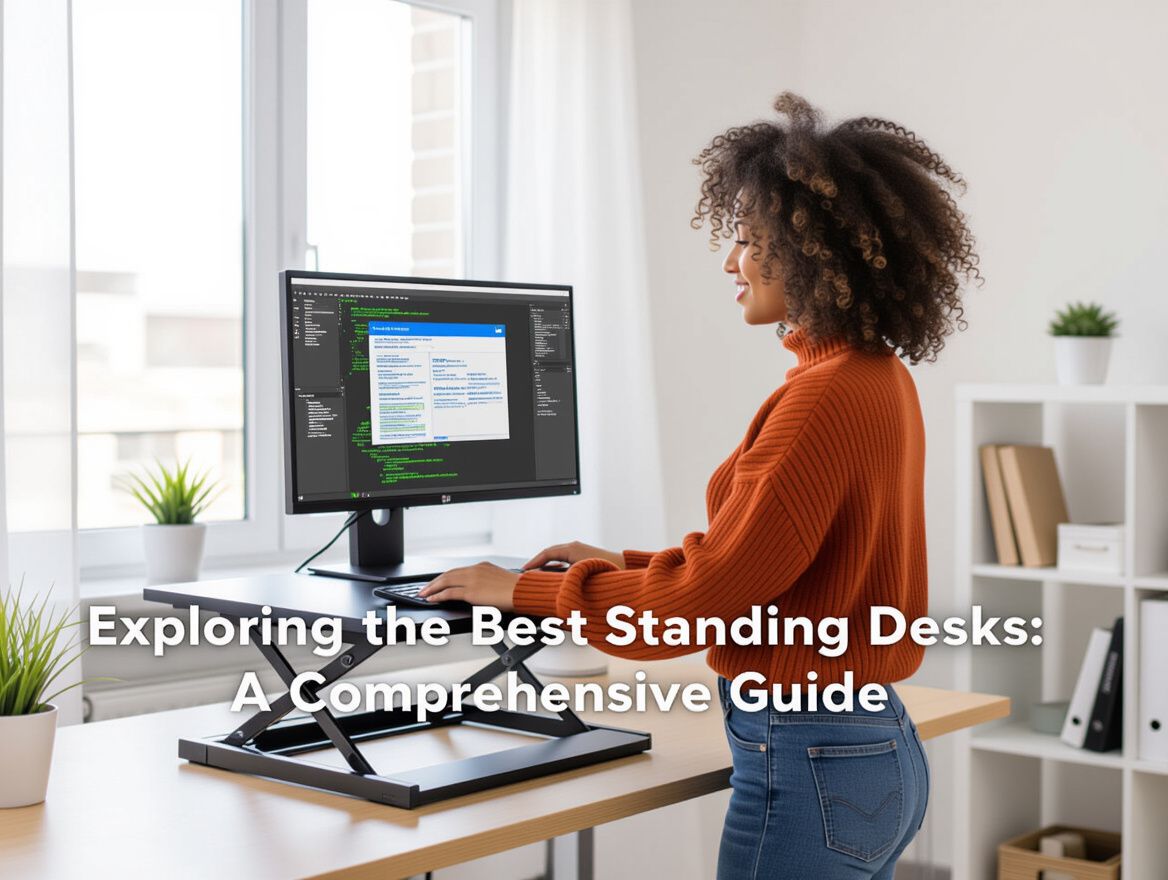
Standing gaming desks have emerged as a popular choice among gamers seeking to enhance both comfort and performance during long gaming sessions. These desks are designed to allow users to alternate between sitting and standing, promoting better posture and reducing the risks associated with prolonged sitting.
Key Benefits for Gamers
- Improved Posture: Standing desks encourage a more natural alignment of the spine, which can help mitigate back pain and discomfort often experienced with traditional desks.
- Increased Energy Levels: Users frequently report feeling more energized and focused when standing, which can lead to improved gaming performance and concentration.
- Enhanced Flexibility: Many standing desks are adjustable, allowing users to find their ideal height for both sitting and standing positions. This adaptability can cater to different gaming setups and preferences.
- Better Cable Management: The height adjustment feature can also facilitate easier access to cables and peripherals, which is essential for gamers with complex setups.
While the benefits are compelling, it's important to consider potential drawbacks, such as the initial adjustment period to standing while gaming and the need for effective cable management solutions. Gamers should weigh these factors against their specific needs and gaming habits to determine if a standing gaming desk is the right fit.
Key Features to Consider When Buying a Standing Gaming Desk
When selecting a standing gaming desk, several essential features can significantly impact your gaming experience and overall comfort. Here’s a checklist to guide your decision-making:
-
Size and Dimensions for Monitor Setups:
- Ensure the desk is at least 60 inches wide if you plan to use dual monitors, particularly those ranging from 24-27 inches. A depth of over 30 inches is recommended for optimal ergonomics, allowing enough space for your gaming tower and peripherals.
-
Adjustability and Stability:
- Look for desks with a height adjustment feature that accommodates both sitting and standing positions comfortably. Stability is crucial, especially when adjusting the height; a wobbly desk can disrupt gameplay and lead to discomfort.
-
Material Quality and Durability:
- The desk should be made from high-quality materials that can withstand daily use. Consider options with a sturdy frame and a durable surface that resists scratches and wear over time, ensuring longevity and maintaining aesthetics.
These features not only enhance usability but also contribute to better posture and performance during gaming sessions. Assessing these aspects carefully will help you choose a standing gaming desk that aligns with your gaming habits and ergonomic needs.
Ergonomics and Health Benefits of Standing Gaming Desks
Standing gaming desks are increasingly popular among gamers seeking to enhance their gaming experience while prioritizing health and comfort. These desks can significantly improve posture and reduce health risks associated with prolonged sitting, which is a common concern for many gamers.
Benefits of Standing While Gaming
- Improved Posture: Standing desks encourage better alignment of the spine, which can reduce strain on the back and neck. This is especially beneficial during long gaming sessions.
- Increased Energy Levels: Standing while gaming can boost energy and alertness, potentially leading to improved focus and performance.
- Reduced Health Risks: Prolonged sitting is associated with various health issues, including obesity and cardiovascular problems. Standing desks can mitigate these risks by promoting movement and reducing sedentary time.
Potential Drawbacks and Adjustment Period
Despite their benefits, transitioning to a standing gaming desk may come with challenges:
- Adjustment Period: Users may experience fatigue or discomfort when first using a standing desk. It often takes time for the body to adapt, and gradual increases in standing time are recommended.
- Fatigue and Discomfort: Standing for extended periods can lead to fatigue in the legs and feet. Incorporating anti-fatigue mats or taking regular breaks can help alleviate these issues.
- Space and Setup Considerations: Standing desks usually require more space than traditional desks. Gamers should ensure they have enough room for their equipment and consider cable management to avoid clutter.
In summary, standing gaming desks offer a range of ergonomic benefits that can enhance posture and overall health during gaming sessions. However, potential drawbacks such as adjustment periods and fatigue must be considered to maximize the benefits.
Standing Gaming Desks vs. Traditional Desks: A Comprehensive Comparison
When considering a gaming setup, the choice between standing gaming desks and traditional desks can significantly impact your comfort and performance. Each type has its unique advantages and drawbacks, making it essential to evaluate them based on your specific needs.
Pros and Cons
Standing Gaming Desks:
-
Pros:
- Ergonomic Benefits: Encourages better posture and can reduce back pain associated with prolonged sitting.
- Flexibility: Easily adjustable height allows for standing or sitting, catering to various gaming styles and preferences.
- Increased Energy: Standing can boost energy levels and focus during intense gaming sessions.
-
Cons:
- Adjustment Period: Users may need time to adapt to standing for extended periods, which can be tiring initially.
- Cost: Often more expensive than traditional desks due to their adjustable features.
- Potential Stability Issues: Some models may experience balance problems if not set up correctly.
Traditional Desks:
-
Pros:
- Stability: Generally more stable and less prone to movement issues during gameplay.
- Cost-Effective: Typically less expensive and widely available in various styles and designs.
- Familiar Setup: Many gamers are accustomed to sitting while playing, making traditional desks a comfortable choice.
-
Cons:
- Limited Ergonomics: Prolonged sitting can lead to poor posture and discomfort over time.
- Inflexibility: Fixed height limits adaptability for different users or gaming styles.
- Space Constraints: May require additional accessories like monitor stands to achieve an ergonomic setup.
Use Cases
Standing Gaming Desks:
- Ideal for gamers who play for extended periods and want to improve their posture.
- Suitable for those who appreciate the versatility of alternating between sitting and standing.
- Great for multi-monitor setups, as they can often accommodate larger spaces.
Traditional Desks:
- Best for casual gamers who prefer a stable sitting environment and may not game for long durations.
- Suitable for users with budget constraints or those looking for a more straightforward desk solution.
- Ideal for setups that require minimal adjustments and a focus on stability.
In summary, the choice between standing gaming desks and traditional desks hinges on personal preferences, gaming habits, and ergonomic needs. Weighing the pros and cons alongside specific use cases will help guide you toward the right decision for your gaming setup.
Common Challenges and Risks with Standing Gaming Desks
While standing gaming desks offer numerous ergonomic benefits and can enhance gaming performance, they also come with certain challenges that potential buyers should consider. Understanding these risks can help you make a more informed decision.
Motor Issues and Maintenance
- Motor Malfunctions: Electric standing gaming desks are prone to motor issues over time. Users have reported problems with motors that fail to raise or lower smoothly, requiring repeated adjustments to reach desired heights.
- Maintenance Needs: Regular maintenance may be necessary to keep the motor functioning optimally, which can include lubricating moving parts or checking electrical connections. This adds to the overall cost and effort involved in ownership.
Cable Management and Stability Concerns
- Cable Management: Standing desks often require thoughtful cable management to avoid tangling or damage. Without proper organization, cables can become a tripping hazard or interfere with the desk's adjustability.
- Stability Issues: When fully extended, some standing desks can become less stable, especially if they are not designed to handle the weight of multiple monitors or gaming equipment. Ensure that the desk you choose can support your setup without wobbling.
Conclusion
Awareness of these challenges can mitigate the potential downsides of investing in a standing gaming desk. By considering motor reliability, maintenance requirements, and the importance of stability and cable management, you can better align your choice with your gaming needs and workspace setup.
Frequently Asked Questions About Standing Gaming Desks
What are the ideal dimensions for a standing gaming desk?
When selecting a standing gaming desk, dimensions are crucial for both comfort and functionality. The ideal width for a desk accommodating dual monitors (24-27 inches) is approximately 60 inches. For setups involving larger or multiple monitors, a 72-inch desk is recommended. The depth should be at least 30 inches to ensure adequate space for your gaming tower, keyboard, and mouse without feeling cramped. These dimensions help facilitate an ergonomic setup, allowing for proper posture and easy access to all gaming peripherals.
How do standing gaming desks affect gaming performance?
Standing gaming desks can positively influence gaming performance in several ways:
- Enhanced Focus and Energy: Many users report improved concentration and energy levels when using a standing desk, which can lead to better reaction times and overall performance during gameplay.
- Reduced Fatigue: Alternating between sitting and standing can help minimize the fatigue that often accompanies long gaming sessions, allowing gamers to maintain their performance over extended periods.
- Better Posture: Improved spinal alignment from standing can reduce discomfort and distractions, enabling gamers to focus more on the game rather than on physical discomfort.
However, it's important to note that transitioning to a standing desk may require an adjustment period. Some users might experience initial discomfort as their bodies adapt to the new posture. Additionally, ensuring that the desk is at the correct height is essential to maximize these benefits and avoid strain.
Making the Right Choice: Is a Standing Gaming Desk for You?
As you consider transitioning to a standing gaming desk, it's important to reflect on the unique benefits and potential drawbacks that come with this choice. Standing gaming desks can significantly enhance your gaming experience, but they also require a thoughtful evaluation of your personal needs and preferences.
Benefits to Consider
- Ergonomic Support: These desks encourage a healthier posture, which can help alleviate discomfort often associated with long gaming sessions.
- Energy and Focus: Many users report increased energy levels and better concentration when using a standing desk, potentially leading to enhanced gaming performance.
- Customization: Look for desks that offer height adjustability to accommodate your specific setup and preferences, ensuring a comfortable gaming environment.
Considerations and Trade-offs
- Adjustment Period: Transitioning from a sitting to a standing position may take time. Be prepared for an adaptation phase where you might experience fatigue.
- Space Requirements: Ensure the desk size fits your gaming area, especially if you have multiple monitors or peripherals. A depth of over 30 inches is often recommended for optimal ergonomics.
- Cable Management: Standing desks can complicate cable organization. Plan for effective solutions to maintain a tidy gaming space.
Weighing Your Needs
Before making a decision, assess how much time you spend gaming and how you currently feel during those sessions. If you often experience discomfort or fatigue, a standing desk might offer significant benefits. However, if you prefer the stability of sitting for extended periods, consider how a standing desk can complement your gaming habits rather than replace them.
In conclusion, standing gaming desks present a promising solution for gamers seeking a combination of comfort and performance. By carefully evaluating the features and potential trade-offs, you can make an informed choice that aligns with your gaming lifestyle.