The Importance of Floor Mats for Standing Desks
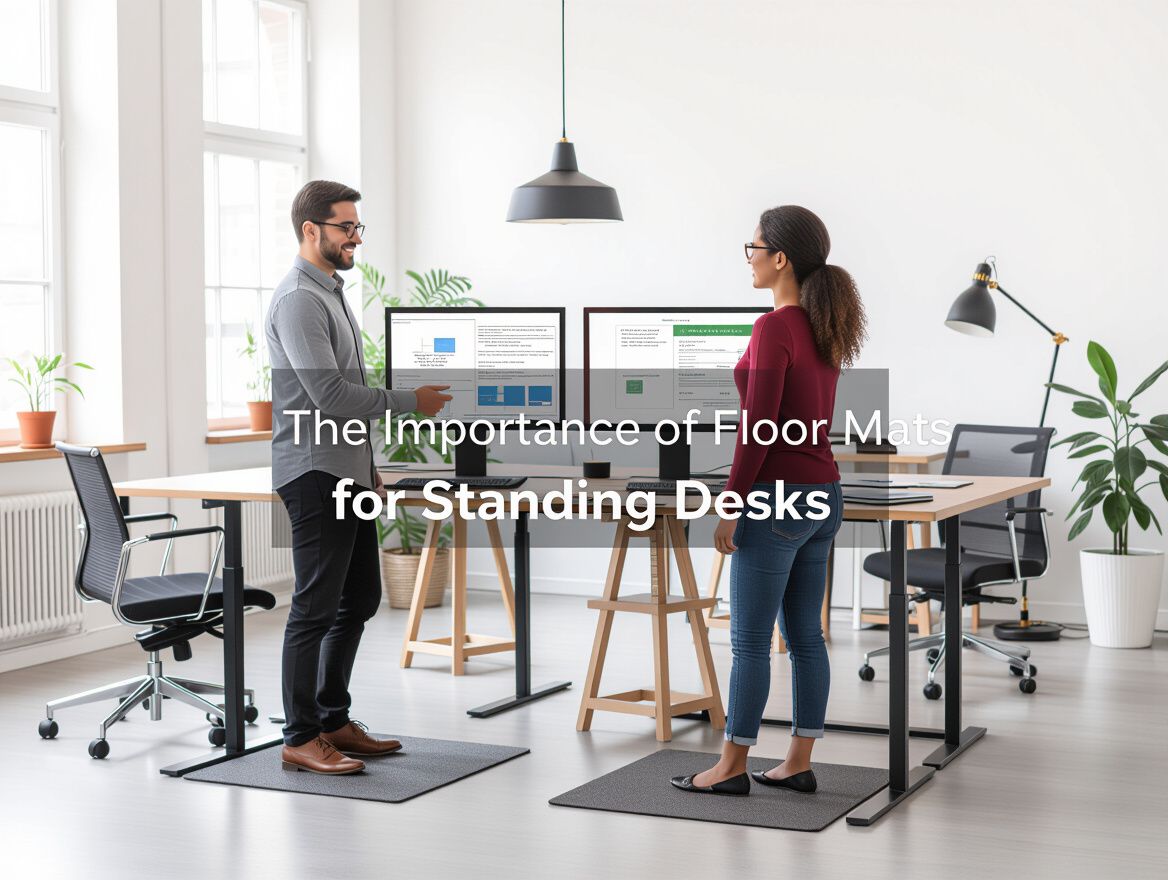
Why Floor Mats Matter for Standing Desks
Standing desks can significantly enhance productivity and promote better posture, but prolonged standing often leads to discomfort and fatigue. This is where floor mats for standing desks come into play. These mats, commonly referred to as anti-fatigue mats, are designed to provide cushioning and support, making standing for extended periods more tolerable.
Key Benefits of Using Floor Mats:
-
Reduced Fatigue: Quality floor mats help distribute weight evenly, reducing pressure on the feet and legs. This can lead to less fatigue over time, allowing for improved focus and productivity.
-
Enhanced Comfort: Many mats feature a cushioned surface that makes standing more comfortable than hard flooring. This added comfort can encourage users to remain on their feet longer, maximizing the benefits of a standing desk.
-
Improved Posture: By providing a stable and supportive surface, floor mats can promote better posture, reducing the risk of back and leg pain associated with standing.
When selecting a floor mat, consider factors such as thickness, material, and surface texture. A mat that is too thick may cause instability, while a thinner mat might not provide enough cushioning. Additionally, ensure that the mat has a non-slip surface to prevent accidents. Understanding these criteria will help you make an informed choice that aligns with your specific needs and work environment.
Key Criteria for Choosing Floor Mats
Selecting the right floor mat for your standing desk is crucial for enhancing comfort and productivity. Here are essential features to consider:
-
Material Types and Comfort: Floor mats are typically made from various materials, including polyurethane and PVC foam. Choose a material that offers adequate cushioning and support to reduce fatigue during extended standing periods. For instance, polyurethane mats tend to be more durable and provide better resilience.
-
Thickness and Cushioning Levels: The thickness of the mat can significantly impact comfort. Look for mats that provide moderate cushioning; too thick may make it difficult to balance, while too thin might not alleviate fatigue. A thickness of around ¾ to 1 inch is often recommended for optimal comfort.
-
Non-Slip Features for Safety: Ensure the mat has a non-slip surface to prevent accidents while moving around your workspace. A stable mat will stay in place as you shift your weight, contributing to a safer working environment.
-
Durability and Maintenance Considerations: Consider how easy the mat is to clean and its long-term durability. Mats that are resistant to wear and tear will provide better value over time. Additionally, check if the mat is waterproof or easy to wipe down, which can simplify maintenance.
By evaluating these criteria, you can make a more informed decision when selecting a floor mat that aligns with your standing desk needs, ultimately improving your comfort and productivity.
Understanding Trade-offs in Floor Mat Selection
When choosing floor mats for standing desks, it’s essential to weigh the trade-offs between different types of mats. Each option comes with its own set of advantages and disadvantages that can impact comfort and productivity.
Thickness Considerations
- Thicker Mats: These often provide more cushioning, which can help reduce fatigue during extended standing sessions. However, they may also introduce instability, making it harder to maintain balance.
- Thinner Mats: While they can offer better stability, they may not provide sufficient cushioning, leading to discomfort over time. Users might find themselves shifting weight frequently, which can detract from productivity.
Movement and Stability
- Mobility: Some mats are designed to allow for greater movement, encouraging users to shift their weight and engage their leg muscles. However, this can also mean they are more prone to sliding around on the floor, which can be distracting and potentially hazardous.
- Stability: Mats that are heavier or have non-slip surfaces tend to stay in place better but may limit movement. Finding the right balance between mobility and stability is crucial for maintaining comfort and productivity.
Long-term Comfort vs. Initial Investment
- Upfront Costs: Higher-quality mats may come with a steeper price tag, but they often provide better support and durability, leading to long-term comfort. Investing in a quality mat can prevent discomfort and potential health issues associated with prolonged standing.
- Short-term Savings: Cheaper mats might be tempting, but they may wear out quickly or fail to provide adequate support, leading to increased discomfort and potential replacement costs.
By considering these factors, users can make informed decisions about which floor mat will best meet their standing desk needs, enhancing both comfort and productivity in their workspace.
Finding the Right Fit for Your Workspace
Choosing the appropriate floor mat for your standing desk requires careful consideration of several factors to ensure optimal comfort and productivity. Here’s a guide to help you select the right mat tailored to your specific workspace needs.
Measuring Mat Size
- Assess Your Workspace: Start by measuring the area where you plan to place the mat. Consider both the length and width of the space to ensure that the mat fits comfortably without crowding your standing area.
- Allow for Movement: Ensure that the mat is large enough to accommodate your natural standing position and any movement you may make while working.
Flooring Considerations
- Type of Flooring: Different flooring types (carpet, hardwood, tile) can affect the mat’s performance. For instance, mats designed for hard surfaces often have a firmer base to prevent slipping, while those for carpet may be thicker for added cushioning.
- Non-Slip Features: Look for mats with a non-slip backing to prevent movement during use, which can be particularly important on smooth surfaces.
Compatibility with Standing Desk Models
- Desk Height and Adjustability: Ensure that the mat complements the height and adjustability of your standing desk. Some mats are designed specifically for use with adjustable desks, providing the right support at varying heights.
- Footwear Considerations: Consider how your footwear may interact with the mat. If you wear dress shoes or have specific footwear needs, choose a mat that offers adequate support and cushioning to reduce fatigue.
By evaluating these criteria, you can select a floor mat that enhances your standing desk experience, providing comfort and support tailored to your workspace.
Risks and Considerations When Using Floor Mats
Selecting the right floor mat for your standing desk is crucial, as improper choices can lead to discomfort and safety issues. Understanding these risks can help you make a more informed decision.
-
Discomfort from Mats: If a mat is too thick or too firm, it can create pressure points on your feet, leading to discomfort rather than alleviating fatigue. Ideal mats should provide cushioning without being overly plush, allowing for a balance between support and comfort.
-
Slipping Hazards: Low-quality mats may lack adequate grip, increasing the risk of slipping, especially on smooth surfaces. Ensure that any mat you consider is designed with a non-slip backing to maintain stability during use.
-
Maintenance Challenges: Different materials come with varying maintenance requirements. For instance, mats made from porous materials may absorb spills and odors, while those made from durable polyurethane may be easier to clean and maintain. Consider how much effort you're willing to invest in upkeep when choosing a mat.
By weighing these considerations, you can select a floor mat that enhances your standing desk experience while minimizing potential drawbacks.
Frequently Asked Questions About Floor Mats for Standing Desks
Choosing the right floor mat for your standing desk can significantly enhance your comfort and productivity. Here are some common questions and concerns that potential buyers often have.
What problems do floor mats solve compared to standing directly on the floor?
Floor mats for standing desks, often referred to as anti-fatigue mats, provide cushioning and support that can alleviate discomfort associated with prolonged standing. Unlike hard floors, these mats help reduce pressure on your feet and joints, which can lead to less fatigue and improved circulation. They also offer a more stable surface, which can enhance your overall standing experience.
How often should I replace my standing desk mat?
The lifespan of a standing desk mat largely depends on its material and usage. High-quality mats can last several years, while lower-quality options may need replacing sooner. Signs that it’s time for a replacement include visible wear, loss of cushioning, or if the mat becomes slippery. Regular inspection can help ensure you maintain optimal comfort and support.
Are there mats specifically designed for certain types of standing desks?
Yes, some mats are designed with specific features that cater to different types of standing desks. For example, mats intended for use with adjustable desks may have a non-slip surface to prevent movement when the desk height changes. Additionally, some mats feature textured surfaces to promote movement and encourage micro-movements, which can further enhance comfort during long periods of standing. Always check compatibility with your desk type before purchasing.
Making an Informed Decision
Investing in a quality floor mat for your standing desk can significantly enhance your comfort and productivity. These mats are designed to reduce fatigue and provide support during prolonged standing, making them an essential addition for anyone experiencing discomfort in their workspace.
When selecting the right floor mat, consider the following criteria:
- Material Quality: Look for mats made from durable materials like polyurethane, which can withstand daily wear and tear while maintaining their supportive properties.
- Thickness and Comfort: A moderate thickness is ideal; too thick may lead to instability, while too thin won't provide adequate cushioning. Aim for a balance that feels comfortable underfoot.
- Non-Slip Features: Ensure the mat has a non-slip surface to prevent it from moving around, which can be a safety hazard and detract from your standing experience.
- Size and Shape: Choose a mat that fits your workspace and allows for movement. Some mats offer unique shapes that encourage shifting weight and changing positions throughout the day.
Before making a purchase, reflect on your specific needs. Do you require extra cushioning for joint support, or are you looking for a mat that promotes movement? Understanding these preferences will help you narrow down your options effectively.
Ultimately, the right floor mat can make a considerable difference in your standing desk experience. By thoughtfully considering your comfort and productivity needs, you can select a mat that enhances your work environment and supports your well-being.