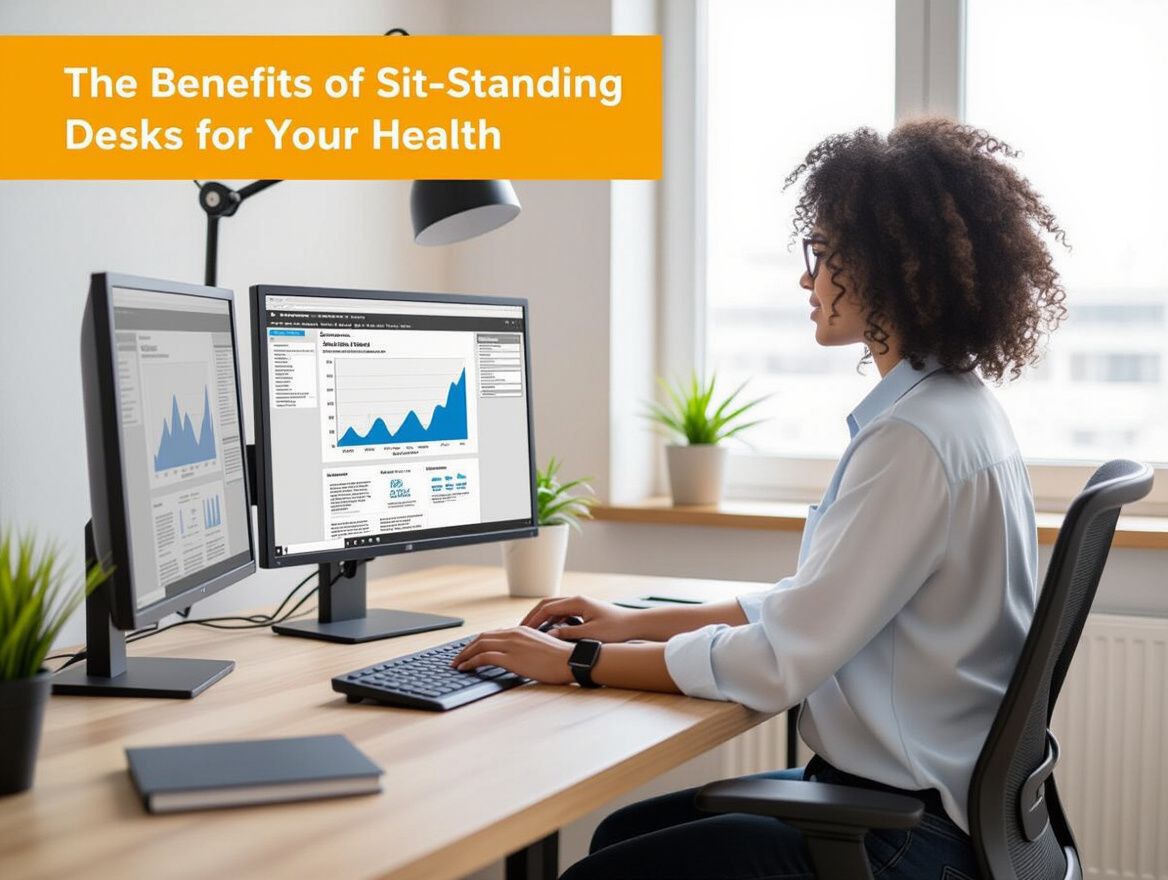
The Benefits of Sit-Standing Desks for Your Health
Understanding Sit-Standing Desks
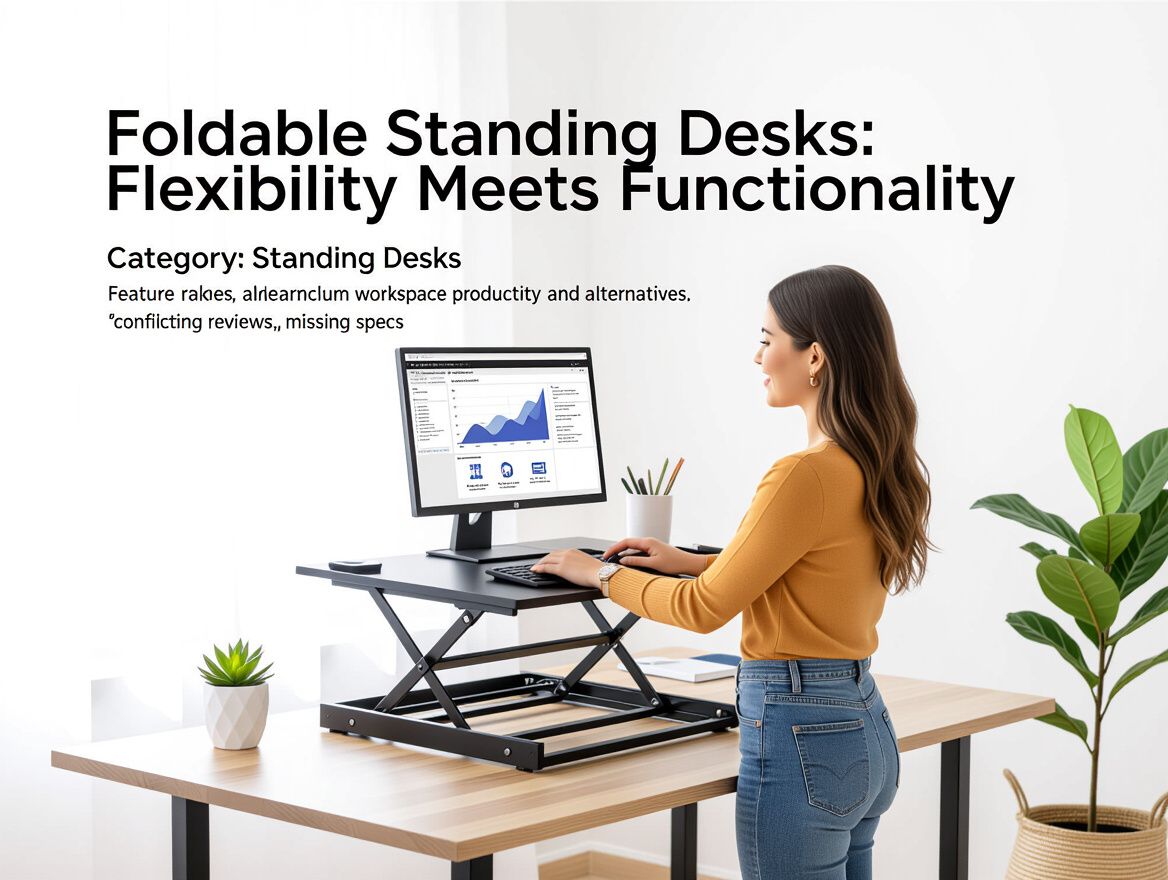
Sit-standing desks, also known as height-adjustable desks, allow users to easily switch between sitting and standing positions while working. This flexibility can play a crucial role in alleviating health issues associated with prolonged sitting, such as obesity, cardiovascular disease, and musculoskeletal disorders.
Prolonged sitting has been linked to a variety of health concerns, including:
- Increased Risk of Chronic Diseases: Studies suggest that extended periods of sitting can contribute to conditions like diabetes and heart disease.
- Musculoskeletal Pain: Sitting for long hours can lead to discomfort in the back, neck, and shoulders, often due to poor posture and inadequate lumbar support.
- Reduced Energy Levels: A sedentary lifestyle can contribute to fatigue and decreased productivity, impacting overall work performance.
When considering a sit-standing desk, it’s essential to weigh the benefits against potential trade-offs. For instance, while these desks encourage more movement, they may require an adjustment period for users transitioning from traditional desks. Additionally, some sit-standing desks can be prone to mechanical failures, emphasizing the importance of selecting a high-quality model.
Ultimately, understanding the ergonomic advantages and health benefits of sit-standing desks can help you make an informed decision that aligns with your workspace needs and lifestyle.
Health Benefits of Sit-Standing Desks
Sit-standing desks are increasingly recognized for their potential to alleviate health issues associated with prolonged sitting. Here are some key benefits that can enhance your overall well-being in the workspace:
-
Reduction in Back Pain: Many users report a significant decrease in back pain when transitioning to sit-standing desks. By allowing you to alternate between sitting and standing, these desks can reduce the strain on your spine and lower back, which is often exacerbated by extended periods in a static position.
-
Improved Posture: Using a sit-standing desk encourages better posture. When standing, individuals tend to align their bodies more naturally, which can help prevent the slouching and hunching that often occurs when seated for long durations. This improvement can lead to fewer musculoskeletal issues over time.
-
Increased Energy Levels and Productivity: Alternating between sitting and standing can boost your energy levels. Many users find that standing while working increases alertness and focus, leading to enhanced productivity. This dynamic approach to work can help maintain motivation throughout the day.
While the benefits of sit-standing desks are compelling, it's essential to consider some trade-offs. For instance, standing for extended periods can lead to fatigue or discomfort in the legs if not managed properly. Balancing your time between sitting and standing is crucial for maximizing health benefits while minimizing potential downsides.
In summary, sit-standing desks can significantly improve your health by reducing back pain, promoting better posture, and enhancing energy levels. However, it's important to evaluate how these desks fit into your specific work habits and ergonomic needs to ensure you reap the full range of benefits.
Key Buying Criteria for Sit-Standing Desks
When considering a sit-standing desk, it's essential to evaluate several key features that directly impact your comfort and productivity. Here are the main criteria to keep in mind:
-
Adjustable Height Range: Look for desks that offer a wide height adjustment range. Ideally, the desk should accommodate heights from about 28 inches to 48 inches to suit various user preferences. This flexibility ensures that you can switch between sitting and standing positions comfortably.
-
Stability and Weight Capacity: Stability is crucial for a sit-standing desk, especially when fully extended. Check the weight capacity of the desk, which should typically support at least 25 to 40 pounds. A desk that wobbles or feels unstable can detract from your work experience and may lead to discomfort.
-
Ergonomic Design Features: Consider ergonomic features such as a spacious work surface, rounded edges, and cable management solutions. These elements contribute to a more organized and comfortable workspace, reducing the risk of strain and promoting better posture during use.
By carefully assessing these criteria, you can make a more informed decision that aligns with your workspace needs and health goals.
Trade-offs and Risks of Sit-Standing Desks
While sit-standing desks offer numerous health benefits, potential drawbacks and issues can impact your decision-making process. Understanding these trade-offs is crucial for making an informed purchase.
-
Mechanical Failures and Balance Issues: One of the most common concerns with sit-standing desks is mechanical reliability. Cheaper models may lack robust motors, leading to malfunctions that can disrupt your workflow. Additionally, balance problems can arise, especially if the desk is not correctly assembled or overloaded beyond its weight capacity.
-
Space Constraints and Setup Challenges: Sit-standing desks can require more space than traditional desks, particularly if they have an extensive height adjustment range or additional features. Consider your workspace dimensions carefully; a desk that doesn't fit well can lead to awkward positioning and hinder your productivity.
-
Cost Considerations versus Benefits: While many sit-standing desks can enhance your workspace ergonomics, the initial investment may be significant. Weigh the long-term health benefits against the upfront costs and consider whether features like electric adjustments or additional storage justify the price. Accessories that improve ergonomics, such as anti-fatigue mats, can further increase overall expenses.
By evaluating these trade-offs, you can better determine the right sit-standing desk for your needs, ensuring a balance between functionality, cost, and ergonomic benefits.
Fit Limits: Who Should Consider Sit-Standing Desks?
Sit-standing desks offer a versatile solution for many workers, but they are not universally suitable. Understanding who can benefit the most from these desks involves evaluating work environments, personal health conditions, and lifestyle preferences.
Ideal Users
- Remote Workers and Home Office Setups: Individuals working from home often have more control over their workspace. A sit-standing desk can enhance comfort and productivity by allowing users to alternate between sitting and standing, which is particularly beneficial during long hours of work.
Not Suitable for All Environments
- Traditional Office Spaces: In some corporate environments, the layout and culture may not support the use of sit-standing desks. Employees may find it challenging to implement these desks without the necessary infrastructure or management support.
Personal Health Considerations
- Existing Health Issues: Those with specific health conditions, such as chronic back pain or joint issues, should assess their needs carefully. While sit-standing desks can alleviate discomfort associated with prolonged sitting, they may also require adjustments in posture and usage to avoid exacerbating existing problems.
Trade-offs to Consider
-
Adjustment Period: Users may need time to adapt to using a sit-standing desk effectively. Transitioning between sitting and standing can lead to fatigue if not managed correctly, necessitating a gradual increase in standing time.
-
Space Limitations: Not all home or office spaces can accommodate a sit-standing desk comfortably. It's essential to measure available space and consider the desk's height adjustment range to ensure it fits well within the environment.
By evaluating these factors, potential buyers can make informed decisions about whether a sit-standing desk aligns with their workspace needs and health requirements.
Frequently Asked Questions
Understanding the nuances of sit-standing desks can help you make an informed decision. Here are some common questions and concerns that potential buyers often have:
What are the most common problems faced with sit-standing desks?
Sit-standing desks can present several challenges, including:
- Mechanical Failures: Issues with height adjustment mechanisms can arise, especially in lower-quality models. It's essential to choose desks with reliable motors to ensure smooth transitions.
- Stability Concerns: Some desks may wobble when fully extended, which can be distracting and uncomfortable. Stability is a key factor to consider during your selection process.
- Balance Issues: Improper balance can lead to awkward working positions. Ensuring that the desk is well-designed to accommodate your weight distribution is crucial.
How do I adjust my sit-standing desk correctly?
To maximize the benefits of a sit-standing desk, follow these adjustment tips:
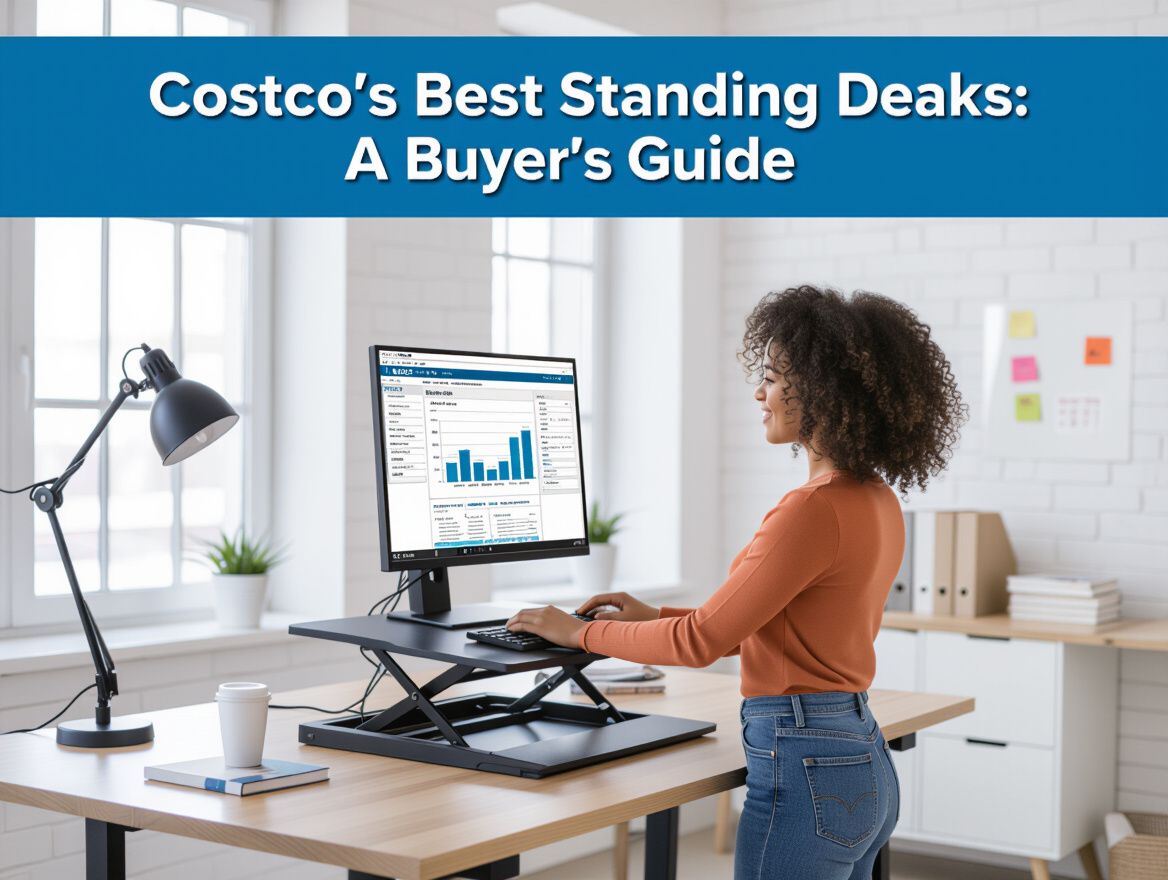
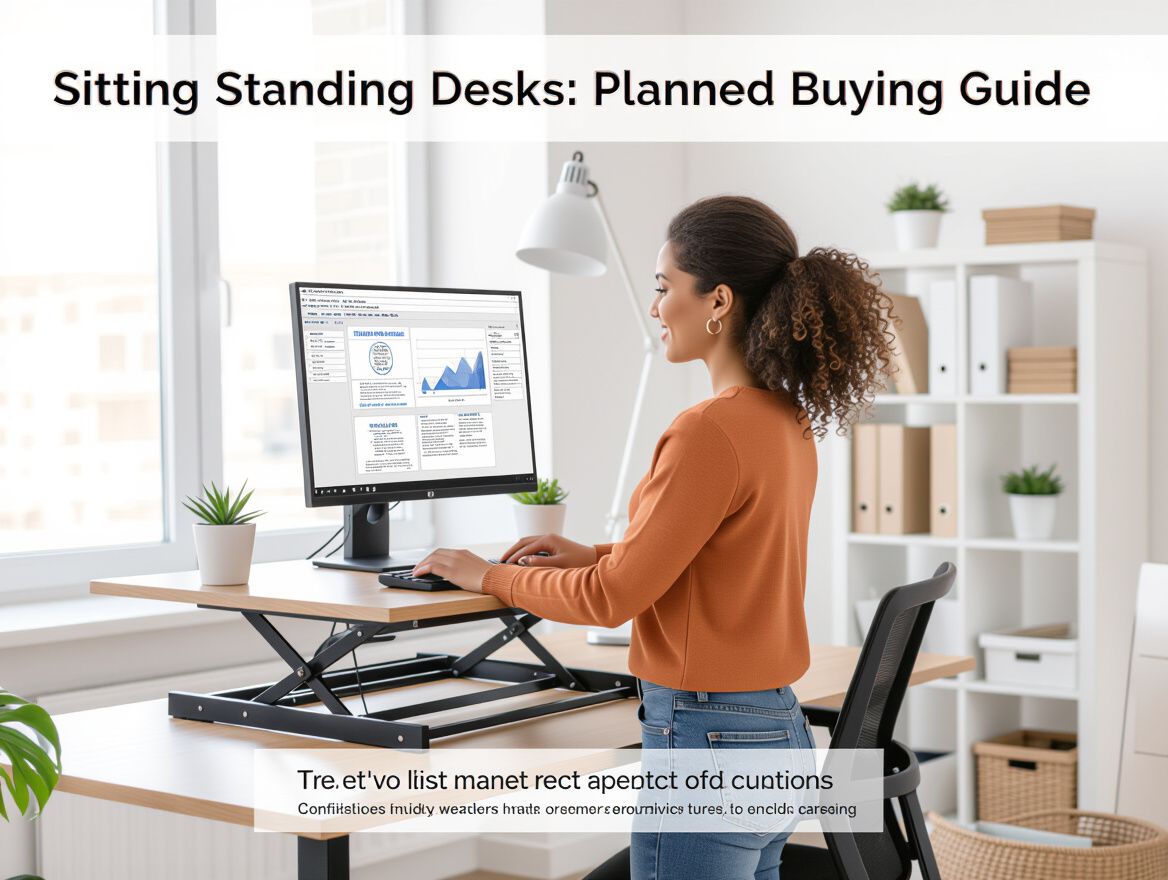
- Height Settings: When standing, your elbows should be at a 90-degree angle, and your wrists should remain straight. Adjust the desk height accordingly to maintain this ergonomic position.
- Monitor Placement: The top of your monitor should be at or slightly below eye level when you're standing. This helps reduce neck strain.
- Foot Positioning: Keep your feet flat on the ground or on a footrest to promote better posture and reduce fatigue.
What additional accessories might I need?
Enhancing your sit-standing desk experience can often require a few additional accessories:
- Anti-Fatigue Mats: These mats provide cushioning and support, helping to alleviate discomfort during prolonged standing.
- Monitor Arms: Adjustable monitor arms can help achieve optimal screen height and distance, contributing to a more ergonomic setup.
- Cable Management Solutions: Keeping cables organized not only improves aesthetics but also reduces the risk of tripping hazards and clutter.
By addressing these common questions, you can better navigate the considerations and potential pitfalls of sit-standing desks, ultimately leading to a healthier and more productive workspace.
Making the Right Choice for Your Workspace
Choosing the right sit-standing desk involves weighing the benefits against potential trade-offs to find the best fit for your health and workspace. Here’s a recap of the essential considerations:
-
Health Benefits: Sit-standing desks can significantly reduce the risks associated with prolonged sitting, such as back pain, obesity, and cardiovascular issues. Alternating between sitting and standing promotes better circulation and can enhance focus and productivity.
-
Trade-offs: While these desks offer flexibility, they may also introduce challenges. For instance, some users report discomfort if they do not adjust their desk height correctly or if the desk lacks stability. It's crucial to ensure that the desk you choose meets ergonomic standards to avoid strain.
-
Personal Needs Assessment: Before making a purchase, evaluate your specific needs. Consider your height, workspace layout, and how often you plan to switch between sitting and standing. Understanding your unique requirements can help you select a desk that enhances your comfort and productivity.
In conclusion, investing in a sit-standing desk can be a beneficial move for your health. However, it’s essential to carefully consider your personal preferences and workspace dynamics to make an informed decision that aligns with your lifestyle.