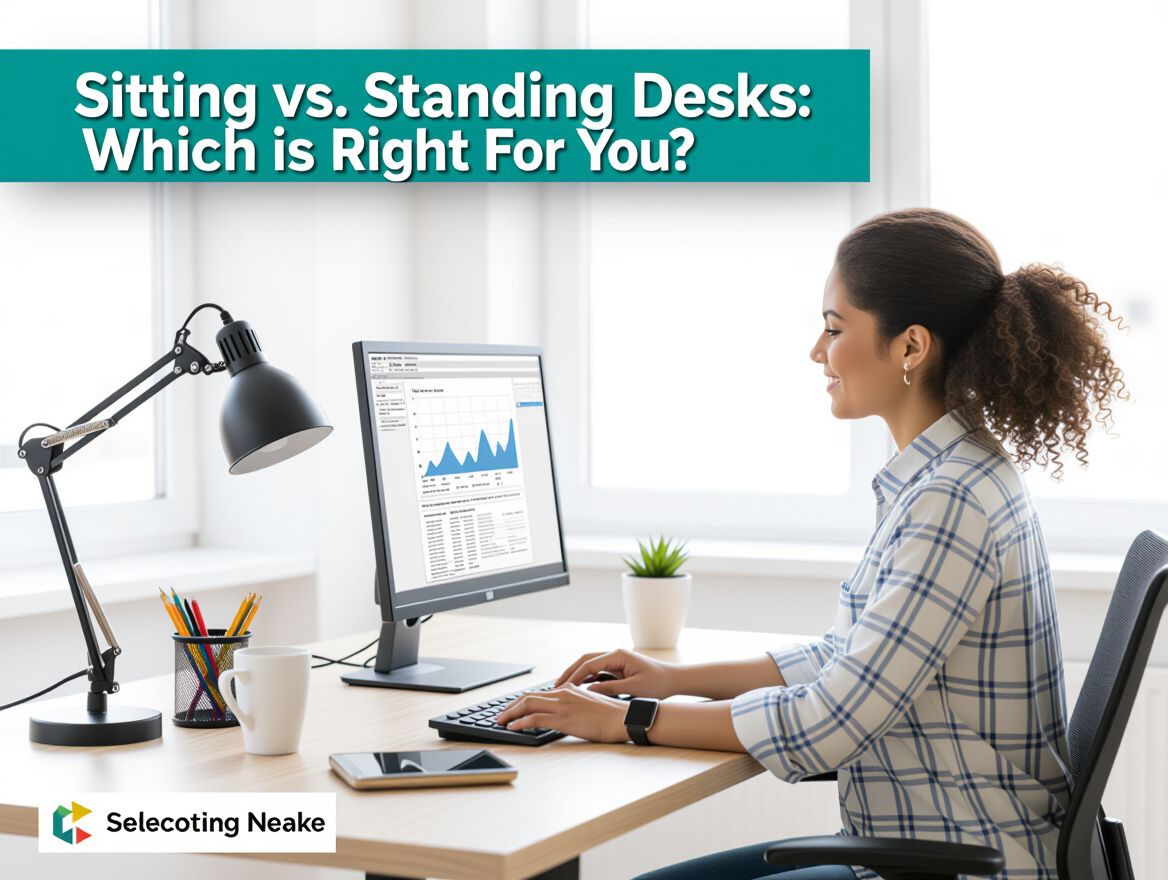
Sitting vs. Standing Desks: Which is Right for You?
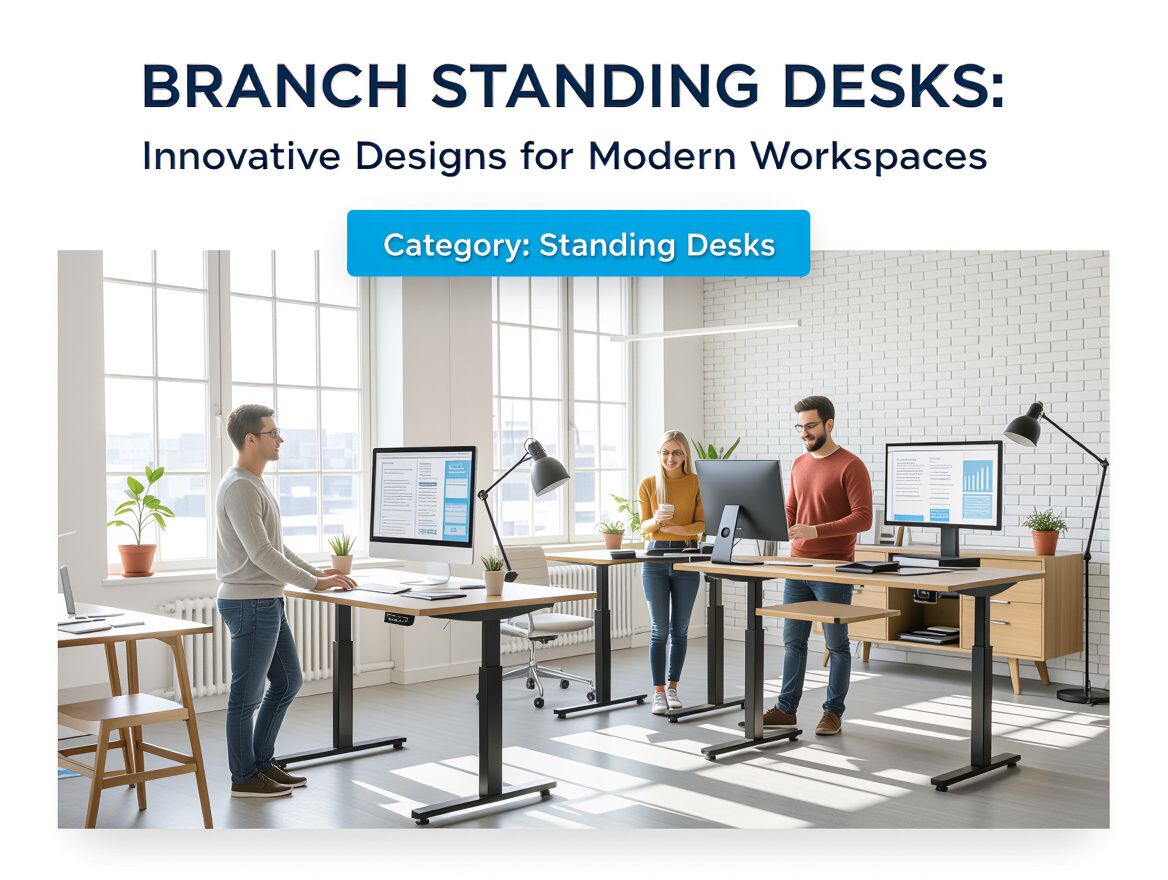
Understanding the Debate: Sitting vs. Standing Desks
The shift towards standing desks is gaining momentum as more individuals recognize the potential health implications of prolonged sitting. Research indicates that extended periods of sitting can lead to various health issues, including cardiovascular diseases and musculoskeletal problems. As a response, many are considering the incorporation of standing desks into their workspaces to promote better posture and enhance overall well-being.
Both sitting and standing desks have their unique advantages, making them popular choices among professionals. Standing desks encourage movement and can help reduce fatigue, while traditional sitting desks may provide a more stable environment for tasks that require intense focus.
Key Considerations:
- Health Benefits: Standing desks can improve circulation and posture, whereas sitting desks are often preferred for tasks demanding sustained concentration.
- Flexibility: Height-adjustable desks allow users to alternate between sitting and standing, potentially maximizing comfort and productivity throughout the day.
- Workspace Adaptability: The choice between desk types should align with your specific work habits, personal preferences, and the nature of your tasks.
As you explore your options, it's essential to weigh these factors to determine which desk setup best supports your ergonomic needs and work style.
Health Impacts of Sitting and Standing
When considering sitting versus standing desks, it's essential to evaluate their respective health impacts. Each option presents unique benefits and risks that can influence your overall workspace ergonomics and well-being.
Cardiovascular Health
Research indicates that prolonged sitting is linked to increased risks of cardiovascular disease (CVD), including coronary heart disease and stroke. Alternating between sitting and standing can help mitigate these risks by promoting better circulation and reducing the time spent in a sedentary position. Standing desks encourage movement, which is vital for maintaining cardiovascular health.
Posture
Sitting for extended periods often leads to poor posture, which can result in back and neck pain. Standing desks can promote a more neutral body alignment, allowing for better posture. However, it's crucial to use standing desks correctly. Poor ergonomics, such as having the screen at an inappropriate height or standing on an uneven surface, can exacerbate discomfort rather than alleviate it.
Fatigue
While standing desks can enhance energy levels and productivity, they may also lead to fatigue if used incorrectly. Standing for long periods can cause discomfort in the legs and feet, leading to decreased productivity. To combat fatigue, it's recommended to alternate between sitting and standing throughout the day. This dynamic approach allows for movement and reduces the likelihood of muscle fatigue.
Conclusion
Ultimately, the choice between sitting and standing desks should be informed by your individual needs and preferences. Balancing both options may provide the most health benefits, allowing for flexibility and movement throughout your workday. Consider how each type of desk aligns with your work habits, posture, and comfort to make an informed decision.
Key Differences Between Sitting and Standing Desks
When considering the choice between sitting and standing desks, understanding the key differences can significantly influence your workspace ergonomics and overall comfort. Each desk type has its unique features, benefits, and drawbacks that cater to different user needs.
Stability and Ergonomics
- Sitting Desks: These desks typically offer a stable platform, which is beneficial for tasks that require intense focus, such as writing or detailed design work. However, prolonged sitting can lead to discomfort and poor posture.
- Standing Desks: While standing desks promote better circulation and encourage a dynamic posture, their stability can vary. Factors such as desk height, load, and design impact stability. A solid base is essential, especially for taller configurations.
Adjustability Features
- Sitting Desks: Most traditional sitting desks lack adjustability, meaning users are often stuck in one position, which can lead to discomfort over time. Some models may include height-adjustable features but may not offer the same ease of use as standing desks.
- Standing Desks: Many standing desks come with adjustable height features, allowing users to switch between sitting and standing easily. Electric models offer quick adjustments with the push of a button, while manual versions require physical effort. This versatility supports varied work tasks and promotes movement throughout the day.
User Comfort and Fatigue Levels
- Sitting Desks: Extended periods of sitting can lead to fatigue, stiffness, and even health issues such as cardiovascular disease. However, they may provide better comfort for tasks requiring sustained focus.
- Standing Desks: Although standing desks can enhance energy levels and productivity, they may also lead to fatigue if users stand for too long without breaks. Balancing standing with sitting is crucial to avoid discomfort.
In summary, your decision should be guided by your work habits, comfort preferences, and the types of tasks you frequently perform. Evaluating these differences will help you choose the desk that best enhances your workspace ergonomics, allowing for a healthier and more productive working environment.
Criteria for Choosing the Right Desk
When deciding between sitting and standing desks, it’s essential to evaluate your personal needs and workspace requirements. Here’s a checklist to guide your decision:
-
Workspace Size and Layout
- Measure your available space to ensure the desk fits comfortably without obstructing movement.
- Consider the layout of your workspace—some standing desks may need more room for height adjustments or additional accessories.
-
Intended Use and Duration of Use
- Identify how you plan to use the desk. Will it be primarily for computer work, meetings, or creative tasks?
- Think about the duration of use. If you work long hours, a desk that allows for easy transitioning between sitting and standing may be beneficial to reduce fatigue.
-
Budget Considerations
- Determine your budget range. Standing desks can vary significantly in price based on features like adjustability, materials, and brand reputation.
- Consider long-term investment vs. initial cost. A higher-priced model may offer better ergonomics and durability, potentially saving you from discomfort and health issues down the line.
Evaluating these criteria will help you make a more informed decision that aligns with your workspace ergonomics and personal preferences.
Potential Risks and Trade-offs
Choosing between sitting and standing desks involves understanding the inherent risks and trade-offs associated with each type. While both options aim to improve workspace ergonomics, each comes with its own set of potential downsides that can affect your health and productivity.
Risks of Overusing Standing Desks
While standing desks can promote better posture and circulation, overusing them can lead to several health issues:
- Joint Pain and Fatigue: Prolonged standing can cause joint strain, particularly in the knees and lower back. This discomfort may lead to fatigue, reducing overall productivity.
- Circulatory Problems: Standing for extended periods can hinder blood circulation, potentially increasing the risk of venous disorders and other circulatory issues.
- Muscle Injuries: Without proper movement and posture adjustments, users may experience muscle injuries, particularly in the legs and feet.
Common Issues with Sitting Desks
Conversely, sitting desks come with their own challenges:
- Sedentary Lifestyle Risks: Extended periods of sitting are linked to various cardiovascular diseases, including heart disease and stroke. A sedentary routine can significantly impact overall health.
- Posture-Related Discomfort: Poor ergonomics associated with sitting desks can lead to musculoskeletal problems, especially if the desk height or chair does not suit the user’s body.
- Reduced Energy Levels: Long hours of sitting can lead to decreased energy and productivity, making it challenging to maintain focus and motivation throughout the day.
Balancing the Two
To mitigate these risks, many ergonomics experts recommend alternating between sitting and standing. This approach allows you to enjoy the benefits of both desk types while minimizing the downsides. Consider investing in a height-adjustable desk that allows for easy transitions throughout your workday.
Ultimately, assessing your personal work habits, health considerations, and comfort preferences will guide you in making the best decision for your workspace ergonomics.
Frequently Asked Questions
When considering the shift from traditional sitting desks to standing desks, many potential buyers have questions about the benefits and suitability of each option. Here are some common inquiries that can help clarify the decision-making process.
What problems do these desks solve compared to alternatives?
Sitting desks can lead to various health issues, including poor posture and reduced circulation due to prolonged periods of inactivity. In contrast, standing desks promote better posture, encourage movement, and can help reduce fatigue. They allow users to adjust their work position throughout the day, addressing the discomfort associated with static positions.
However, it's important to recognize that standing for extended periods can also lead to discomfort, such as fatigue in the legs and feet. Therefore, the ideal solution often lies in alternating between sitting and standing, which can maximize health benefits while minimizing risks.
How does one determine the best fit for their needs?
To determine the best desk for your needs, consider the following factors:
-
Work Habits: Reflect on how you typically work. If your tasks require sustained focus, a sitting desk might be more suitable. Conversely, if you prefer to remain active while working, a standing desk could be beneficial.
-
Duration of Use: Assess how long you spend at your desk each day. If you work long hours, look for height-adjustable options that allow you to switch positions easily.
-
Physical Comfort: Consider any existing discomfort or health concerns. If you experience back pain or fatigue from sitting, a standing desk may help alleviate these issues.
-
Workspace Dynamics: Evaluate your workspace layout and size. Ensure that your chosen desk fits well within your environment and allows for necessary movement.
-
Budget: Standing desks can vary significantly in price. Define your budget early in the decision-making process to narrow down your options effectively.
By carefully evaluating these criteria, you can make an informed choice that best supports your ergonomic needs and work style.
Making Your Decision: Sit or Stand?
As you consider the choice between sitting and standing desks, it's crucial to reflect on the benefits and trade-offs associated with each option.
Benefits Recap
- Sitting Desks: Provide a stable surface ideal for tasks requiring extended concentration, making them suitable for activities like writing or detailed computer work.
- Standing Desks: Encourage movement and can enhance circulation, potentially reducing fatigue and discomfort during long work hours. They also promote better posture, which is essential for overall health.
Balanced Usage for Optimal Health
To maximize the ergonomic benefits of your workspace, consider alternating between sitting and standing throughout your day. This balanced approach not only helps prevent muscle fatigue but also supports better circulation and overall energy levels.
Ultimately, the right choice depends on your individual work habits, preferences, and the specific tasks you perform. Weigh these factors carefully to create a workspace that promotes both comfort and productivity.