Manual Standing Desks: Are They Worth It?
Understanding Manual Standing Desks
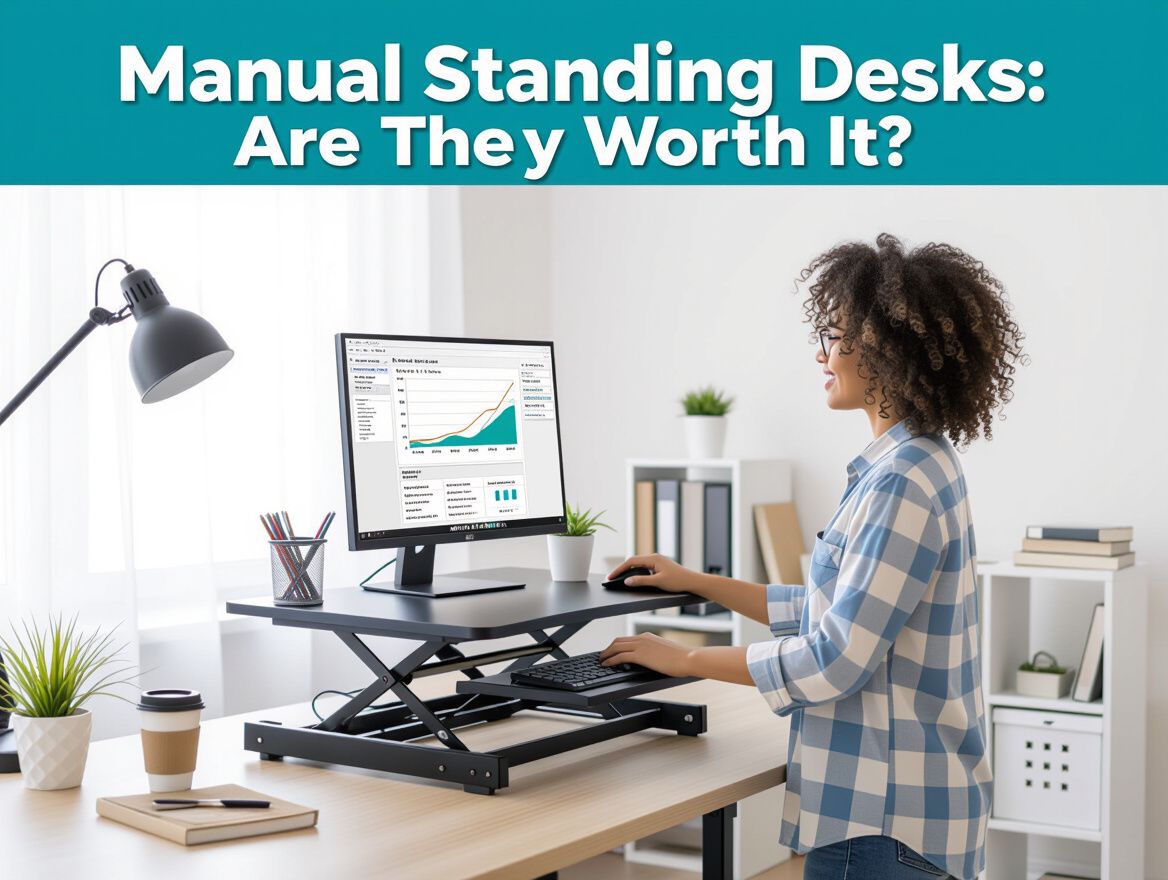
Manual standing desks are a type of adjustable desk that allows users to change their working height through a manual mechanism, typically a crank or a lever. Unlike electric standing desks, which rely on motors for height adjustment, manual versions offer a straightforward and often more budget-friendly alternative. Their growing popularity can be attributed to a rising awareness of the health benefits associated with reducing sedentary behavior, coupled with the appeal of a more affordable workspace solution.
Choosing between manual and electric standing desks involves considering several factors:
- Cost: Manual standing desks generally have a lower initial purchase price and avoid potential repair costs associated with electric components.
- Simplicity: Without electrical parts, manual desks are easier to maintain and less prone to mechanical failure.
- Durability: Many manual desks are constructed with durable materials, although some may use lighter materials that can impact stability.
While manual standing desks can be a great fit for those seeking affordability and simplicity, potential buyers should consider the physical effort involved in adjusting the height and the limitations on weight capacity when fully extended. Understanding these trade-offs can help you determine if a manual standing desk aligns with your workspace needs and lifestyle.
Key Considerations When Choosing a Manual Standing Desk
When evaluating manual standing desks, several factors can help you determine if they align with your needs and budget. Here’s a checklist to guide your decision-making process:
-
Budget and Affordability: Manual standing desks are typically more affordable than their electric counterparts. Consider how much you are willing to invest, keeping in mind that you may save on potential repair costs since they lack electronic components.
-
Space Requirements and Desk Dimensions: Assess the available space in your home or office. Manual desks often have fixed dimensions, and their design can affect how easily you can adjust them. Ensure the desk fits comfortably in your workspace without overcrowding.
-
Material Durability and Weight Limits: Check the materials used in the desk's construction. Some models may use less durable materials like MDF, which can affect longevity and stability. Additionally, consider the weight capacity; if you plan to use multiple monitors or other equipment, ensure the desk can support the load.
-
Ease of Height Adjustment and User Comfort: Manual desks require physical effort to adjust height, usually through a crank mechanism. This can be tiring over time, especially for frequent adjustments. Evaluate how often you plan to change desk heights and whether this manual adjustment fits your comfort and workflow.
By carefully considering these aspects, you can make a more informed decision about whether a manual standing desk suits your specific requirements and work environment.
Pros and Cons of Manual Standing Desks
When considering a manual standing desk, it's essential to weigh the advantages and disadvantages to determine if it aligns with your needs and budget. Here’s a breakdown of the key points to consider:
Advantages
-
Affordability: Manual standing desks are generally more budget-friendly than their electric counterparts. They do not have motors or electronic components, which can lead to significant savings on both initial costs and potential future repairs.
-
Simplicity and Durability: These desks are straightforward to use, typically requiring a simple crank mechanism for height adjustments. This simplicity can translate to increased durability, as there are fewer moving parts that can fail over time.
-
No Power Required: Manual standing desks operate without electricity, making them ideal for remote locations or situations where power outlets are limited. This feature also means you won't have to worry about power outages affecting your desk's functionality.
Disadvantages
-
Adjustment Effort: While manual desks are easy to operate, adjusting their height can become tedious, especially for users who frequently switch between sitting and standing. This can be a particular concern for those with limited upper body strength or dexterity.
-
Stability Issues: Depending on the design and materials used, some manual standing desks may wobble when extended to higher heights. This instability can impact the user experience, particularly if the desk supports multiple monitors or heavier equipment.
-
Limited Features: Compared to electric standing desks, manual models typically lack advanced features such as programmable height presets or built-in timers. Users seeking a more customized experience may find these limitations frustrating.
Comparison with Electric Standing Desks
When weighing manual standing desks against electric options, consider the following trade-offs:
-
Initial Cost vs. Long-Term Value: Manual desks are often less expensive upfront, but electric models may offer features that enhance usability and comfort over time.
-
Ease of Use vs. Physical Effort: Electric desks provide effortless height adjustments, which can be beneficial for users who experience fatigue from manual cranking. However, this convenience comes with the potential for higher maintenance costs and reliance on power.
-
Durability vs. Functionality: Manual desks may be more durable due to their simplicity, but electric desks often provide superior functionality that can improve overall work efficiency.
By carefully evaluating these factors, you can make an informed decision about whether a manual standing desk fits your lifestyle and workspace needs.
Potential Risks and Limitations of Manual Standing Desks
While manual standing desks offer budget-friendly options, they come with certain risks and limitations that potential buyers should carefully consider before making a purchase.
-
Adjustment Fatigue and User Experience: Manually adjusting the height of a desk using a crank can become tedious, especially for users who frequently switch between sitting and standing. This can lead to frustration and decreased usability over time, making it less appealing for those who prefer a more dynamic workspace.
-
Weight Capacity Limitations: Many manual standing desks have lower weight capacity compared to their electric counterparts. This limitation can be a significant drawback for users who intend to place multiple monitors or heavy equipment on their desks. It's essential to check the weight specifications to ensure that the desk can accommodate your needs.
-
Material Quality Concerns and Durability: Some manual standing desks are constructed from less durable materials, such as MDF, which may not withstand long-term use as well as solid wood or metal options. This raises concerns about longevity and the potential need for replacement sooner than expected.
-
Long-term Usability and Maintenance Considerations: While manual desks do not have motors that could fail, they may still require maintenance, particularly if the adjustment mechanism becomes stiff or malfunctions. Regular checks and care might be necessary to keep the desk functioning smoothly.
Considering these factors can help you determine if a manual standing desk aligns with your specific needs and expectations in a home or office environment.
Frequently Asked Questions About Manual Standing Desks
What buyer problem does a manual standing desk solve?
Manual standing desks primarily address the need for an affordable and straightforward solution to promote a healthier working posture. They allow users to easily alternate between sitting and standing, which can help alleviate discomfort associated with prolonged sitting. Additionally, they don’t require power, making them a reliable choice in settings where electrical outlets are limited or for users who prefer a low-tech approach.
How do manual standing desks compare to electric ones?
Manual standing desks differ from electric models in several key areas:
- Adjustment Method: Manual desks typically use a hand crank or a simple lever mechanism, while electric desks adjust height at the push of a button.
- Cost: Generally, manual standing desks are more budget-friendly since they lack electronic components, reducing both initial purchase price and potential repair costs.
- Durability: With fewer moving parts, manual desks may be less prone to mechanical failure compared to electric desks, which can have motor-related issues.
- Weight Capacity: Manual desks may have limitations on weight capacity, making them less suitable for heavier setups.
What features should influence the buying decision?
When considering a manual standing desk, the following features should be prioritized:
- Height Adjustment Range: Ensure the desk can accommodate a variety of user heights for optimal ergonomic benefits.
- Stability: Look for designs that minimize wobbling at full height to maintain a comfortable working experience.
- Material Quality: Evaluate the materials used for the desk surface and frame to ensure durability and longevity.
- Ease of Use: Consider how simple it is to adjust the height—some cranks may require more effort than others.
Are there specific brands or models recommended?
While specific brands and models are not highlighted here, it's advisable to research various options based on user reviews and expert recommendations. Look for desks that align with your budget, space, and ergonomic needs. Checking online platforms and customer feedback can help identify models that have performed well in terms of durability and usability.
Making the Right Choice for Your Workspace
Choosing a manual standing desk offers both advantages and disadvantages that should be carefully considered before making a purchase.
Benefits of Manual Standing Desks:
- Affordability: Manual standing desks typically have a lower upfront cost compared to electric models, making them a budget-friendly option.
- Simplicity: With no electronic components, they are straightforward to operate and often require less maintenance.
- Durability: These desks are less likely to encounter issues related to motors or electronics, which can lead to costly repairs.
Drawbacks of Manual Standing Desks:
- Adjustment Effort: The manual height adjustment, usually through a crank, can be cumbersome and tiring if you frequently change positions throughout the day.
- Weight Capacity: They often have lower weight limits, which may not accommodate heavier setups or multiple monitors.
- Limited Features: Unlike electric models, manual desks generally lack advanced features like memory presets for height adjustments.
Final Thoughts:
A manual standing desk can be an excellent choice for individuals who prioritize cost savings and simplicity in their workspace. However, if your work requires frequent height adjustments or involves heavy equipment, you might need to weigh these factors carefully.
Before making a decision, assess your personal needs, the types of tasks you perform, and your workspace requirements. By considering these elements, you can determine if a manual standing desk aligns with your lifestyle and productivity goals.